
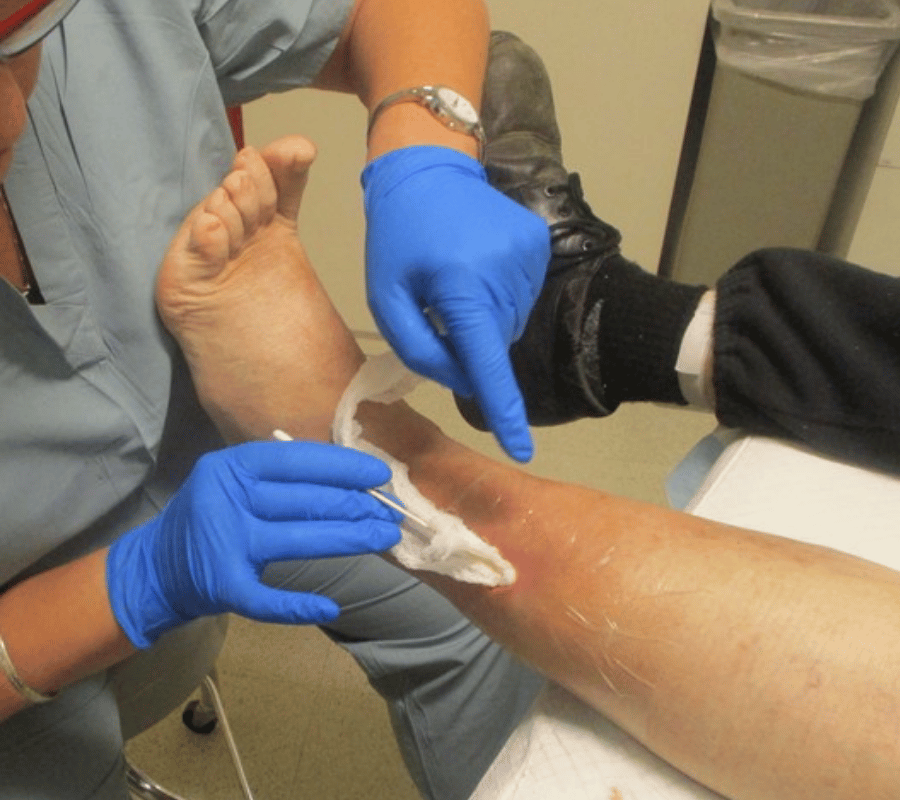
Chronic wounds create daily challenges for patients and caregivers. These wounds linger, reopen, or refuse to heal fully, making everyday activities uncomfortable and stressful. Many individuals face pressure ulcers, diabetic foot wounds, surgical complications, burns, or injuries that turn into long-term wounds due to underlying health issues. Without proper management, chronic wounds can progress into severe infections, tissue loss, or even the risk of amputation.
Kalingap Wound Care Clinic stands as the best company to engage for chronic wound management, offering advanced treatments rooted in compassion and Filipino values. Guided by the expertise of Wound Care Specialist Dr. Lou Mervyn Tec, the clinic supports families across Quezon City, Makati City, and Metro Manila with accessible, evidence-based care. Dr. Tec shares valuable tips to help patients and caregivers understand how to manage chronic wounds safely, effectively, and confidently.
Why Chronic Wounds Require Expert Attention
Chronic wounds develop when the body cannot progress through the natural stages of healing. Conditions such as diabetes, immobility, poor circulation, and infections often delay recovery. Elderly individuals and bedridden patients are especially vulnerable due to fragile skin and limited mobility. A chronic wound is not simply a slow-healing cut-it is a sign that deeper issues must be addressed.
Without structured care, chronic wounds can lead to complications such as persistent infections, tissue decay, odor, swelling, and reduced mobility. These concerns highlight the need for support from a wound care center that understands the complexities behind chronic wounds. Kalingap Wound Care Clinic fills this need by combining medical expertise, advanced technology, and culture-driven compassion. Their patient-first philosophy ensures families receive guidance rooted in kalinga (care) and lingap (nurture), creating a safe environment for long-term healing.
Meet Dr. Lou Mervyn Tec – Specialist in Treating Chronic, Complex, and Non-Healing Wounds
Dr. Lou Mervyn Tec leads the wound care program at Kalingap Wound Care Clinic. As a board-certified orthopedic surgeon and Certified Wound Specialist with international training in Japan and Australia, he has earned a reputation for excellence in handling difficult, non-healing wounds. His expertise spans pressure ulcers, diabetic foot ulcers, infected cuts, venous ulcers, burns, lacerations, and surgical wound complications.
Beyond technical skill, Dr. Tec is widely respected for his warm bedside manner and patient-first approach. Families appreciate his ability to provide clarity during overwhelming situations, especially when wounds fail to respond to basic treatment. His specialized practice includes the use of ultrasonic-assisted debridement, negative pressure wound therapy (NPWT), and custom dressing protocols tailored to each patient’s needs.
Kalingap Wound Care Clinic thrives under his leadership, becoming the best company to engage for chronic wound management across Metro Manila. Patients trust his ability to diagnose the source of the problem, deliver advanced care, and support them emotionally throughout recovery.
Dr. Tec’s Essential Tips for Managing Chronic Wounds Safely at Home
Chronic wound care requires precision, patience, and correct technique. Dr. Tec emphasizes that while home care can support healing, professional supervision ensures wounds do not worsen. Below are key tips he shares for safer wound management:
Prioritize Early Assessment
Many people wait too long before seeking help, often assuming the wound will recover on its own. Early evaluation allows specialists to identify infection, poor circulation, pressure-related injuries, or underlying diseases. Kalingap Wound Care Clinic offers thorough wound assessments that help prevent complications and guide a structured healing plan.
Avoid Self-Removal of Tissue
Removing dead or damaged tissue must be handled professionally. Attempting to scrape, cut, or peel tissue at home increases the risk of bleeding, infection, and deeper injury. Dr. Tec uses ultrasonic-assisted debridement, a precise and gentle method that prepares the wound bed for faster healing without causing unnecessary trauma.
Keep the Wound Moist, Protected, and Properly Dressed
A moist healing environment supports tissue regeneration. Dry wounds crack, reopen, or worsen over time. Advanced dressings such as hydrocolloid, alginate, foam, and antimicrobial options help maintain the right moisture balance while protecting the wound from bacteria and friction. Kalingap Wound Care Clinic provides customized dressing plans to match each wound’s severity, depth, and stage of healing.
Manage Pressure and Friction
For patients who are bedridden or unable to move freely, pressure ulcers can develop quickly. Constant pressure on the skin reduces blood flow and weakens tissue, especially on the back, heels, elbows, and hips. Dr. Tec recommends using cushions, repositioning schedules, and pressure-relieving devices to prevent additional wounds. Kalingap offers guidance for caregivers to reduce friction and protect vulnerable areas.
Monitor for Signs of Infection
Redness, heat, swelling, pus, foul smell, and increasing pain are indicators that a wound may be infected. Immediate professional care is necessary to prevent the infection from spreading. Kalingap Wound Care Clinic specializes in infection control to stop complications before they progress.
Address Underlying Health Conditions
A chronic wound often points to deeper health problems such as uncontrolled diabetes, venous insufficiency, poor nutrition, or mobility limitations. Proper management includes treating the wound and strengthening the patient’s overall health. Dr. Tec guides families through lifestyle adjustments, nutrition recommendations, and long-term care strategies to support complete recovery.
Avoid Home Remedies or Harsh Substances
Alcohol, toothpaste, salt, and other household products can damage fragile tissue. These substances slow down healing, cause irritation, or increase infection risk. Evidence-based wound care should always replace unproven home remedies.
Advanced Treatments Offered by Kalingap Wound Care Clinic for Chronic Wound Recovery
Kalingap Wound Care Clinic is known for world-class wound care made accessible to Filipino families. Their combination of advanced technology and compassionate service makes them the best company to engage for long-term wound healing.
Ultrasonic-Assisted Debridement
Dead tissue prevents healing by blocking healthy cells from forming. Ultrasonic debridement removes damaged tissue through gentle vibrations that do not harm surrounding areas. This method reduces the bacterial load, minimizes pain, and accelerates wound closure.
Negative Pressure Wound Therapy (NPWT)
NPWT uses controlled suction to draw fluid out of the wound while increasing blood flow to the area. The result is faster granulation tissue formation and reduced risk of infection. NPWT is especially helpful for diabetic foot ulcers, surgical wounds, pressure injuries, and deep chronic wounds.
Custom Dressing Protocols
Each wound responds differently to treatment. Kalingap Wound Care Clinic uses specialized dressings tailored to moisture levels, depth, tissue condition, and infection status. These include alginate dressings for heavy exudate, hydrocolloid dressings for protection, silicone dressings for fragile skin, and antimicrobial dressings for infection control.
Long-Term and Elderly Patient Care
Elderly patients often struggle with fragile skin, poor circulation, and mobility limitations. Kalingap provides long-term monitoring, caregiver education, and home-based guidance to ensure consistent care. Their wound care nurses assist with dressing changes, evaluation, and prevention strategies.
Preventing Chronic Wounds: Dr. Tec’s Advice for High-Risk Individuals
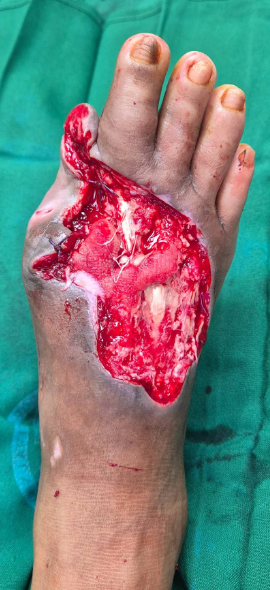
For Diabetic Patients
Daily foot inspections, blood sugar control, and early treatment of blisters or cuts are essential. Diabetic wounds worsen quickly due to poor circulation and nerve damage. Kalingap Wound Care Clinic offers specialized management for diabetic ulcers to prevent serious complications.
For Bedridden or Immobile Patients
Small red spots may rapidly develop into deep pressure wounds. Caregivers should reposition patients regularly, inspect the skin daily, and use supportive surfaces. Kalingap provides clear guidelines to reduce risk and protect vulnerable skin.
For Elderly Individuals
Hydrated skin, proper footwear, nutrition, and safe mobility practices help minimize skin tears and new wounds. Long-term support from a wound care clinic provides peace of mind for families caring for elderly loved ones.
When to Seek Professional Help from a Wound Care Specialist
A wound requires professional care when:
- It does not show improvement after one to two weeks.
- Pain increases instead of decreasing.
- Odor, pus, or swelling develops.
- The wound appears deeper or wider.
- The patient is diabetic, bedridden, or elderly.
- A burn, puncture wound, or surgical site is not healing.
Prompt intervention prevents complications and shortens recovery time. Kalingap Wound Care Clinic welcomes patients from Quezon City, Makati City, Metro Manila, and nearby provinces, offering free consultations and affordable care packages.
How Kalingap Wound Care Clinic Helps Families Across Metro Manila
Kalingap Wound Care Clinic strives to make advanced wound care accessible to all. Their approach is shaped by Filipino values, clinical expertise, and genuine empathy. Families choose Kalingap because they offer:
- Free initial consultations
- Affordable treatment plans for all income levels
- Advanced technologies like NPWT and ultrasonic debridement
- Skilled wound care nurses and specialists
- Long-term and elderly wound care programs
- Home-care guidance for busy or overwhelmed families
- A healing environment that treats people with warmth, not judgment
As the best company to engage for wound care services, Kalingap remains committed to restoring comfort, mobility, and dignity to every patient.
Frequently Asked Questions (FAQ)
1. What makes a wound chronic?
A wound becomes chronic when it fails to heal within the expected timeframe, usually between four to six weeks. Chronic wounds require structured care and advanced treatment.
2. When should I seek help from a wound care specialist?
If a wound is painful, infected, not healing, or repeatedly reopening, professional evaluation is needed. High-risk patients should seek help immediately.
3. Can chronic wounds heal without professional care?
Some wounds may improve with basic care, but chronic wounds often require advanced treatment to prevent complications.
4. What should I avoid applying to chronic wounds?
Avoid alcohol, toothpaste, salt, detergents, or any harsh product. These substances worsen tissue damage.
5. How does ultrasonic debridement help?
This technique removes dead tissue safely and efficiently, preparing the wound for new cell growth.
6. Is NPWT safe for elderly patients?
Yes. When guided by specialists, NPWT is safe and effective for elderly and bedridden patients.
7. Do I need a referral to visit Kalingap Wound Care Clinic?
No referral is needed. Patients and caregivers can contact the clinic directly for a free consultation.
8. Are the treatments expensive?
Kalingap offers affordable wound care packages designed for different budget levels without compromising quality.
9. Can chronic wounds lead to amputation?
Untreated chronic wounds, especially diabetic wounds, may progress to severe infection or tissue death. Early treatment reduces this risk.
10. Does Kalingap provide home-care guidance?
Yes. Caregivers receive training and instructions for safe dressing changes, pressure prevention, and monitoring.