
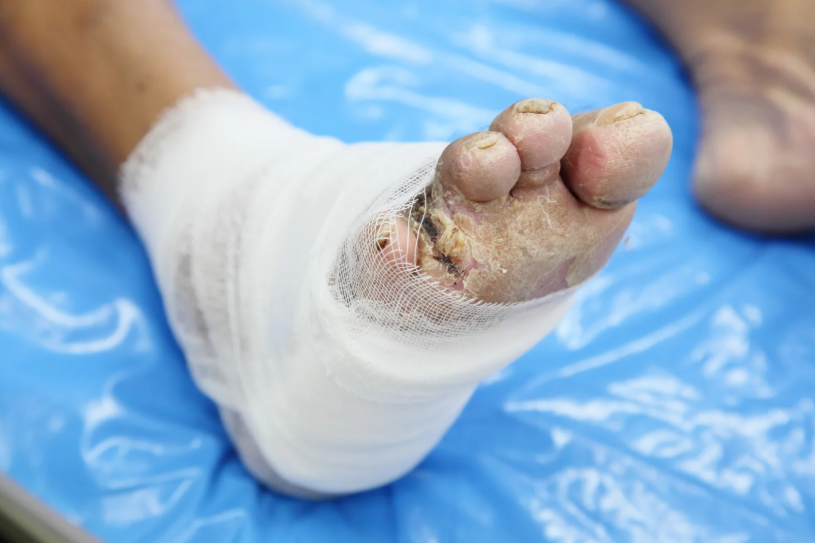
Many Filipino families encounter the challenge of managing Sugat sa Paa ng Diabetic, a condition that can quickly escalate from a small blister to a limb-threatening wound. A diabetic foot wound is far from a simple skin concern; it is a complex medical issue that demands prompt and expert intervention. Problems arise when these wounds heal poorly due to nerve damage, poor circulation, or long-term complications of diabetes. When overlooked, Sugat sa Paa ng Diabetic may progress into deep ulcers, infections, or even conditions that require amputation. This is why early and professional wound care is vital, especially with the highly skilled team at Kalingap Wound Care Clinic, recognized as the best facility to engage for diabetic wound management.
Bakit Mapanganib ang Sugat sa Paa ng Diabetic?
Sugat sa Paa ng Diabetic becomes dangerous because diabetes affects multiple systems in the body. High blood sugar damages nerves over time, leading to neuropathy. When the nerves in the feet lose sensation, a patient may not notice a cut, blister, or small bruise. Without early detection, the wound deepens, becomes infected, and slows down healing due to poor blood flow. Many cases of diabetic foot ulcers become complicated wounds that require specialized care. Clinical references show that diabetic foot ulcers often progress alongside skin breakdown, venous issues, or pressure injuries that worsen mobility and overall health.
The attached diabetic foot reference explicitly highlights how comprehensive care is essential for chronic wound conditions. Kalingap Wound Care Clinic specializes in these cases-using precise, science-backed methods to prevent further complications like pressure ulcers and decubitus ulcers. Their team is trained to manage the deeper factors contributing to Sugat sa Paa ng Diabetic, ensuring every patient receives structured and effective treatment.
Karaniwang Palatandaan na Delikado na ang Sugat sa Paa ng Diabetic
Sugat sa Paa ng Diabetic is particularly dangerous because the symptoms may seem minor at first. Many patients dismiss early redness, swelling, or mild discomfort. Unfortunately, these subtle changes may signal deeper issues. Once infection sets in, the body struggles to heal the wound naturally, especially if circulation is compromised. Some warning signs include persistent redness, discharge, foul odor, increasing warmth, or the wound deepening instead of shrinking. For others, the entire foot becomes swollen, which calls for immediate specialist care.
The Kalingap clinical documents emphasize that these complications often coincide with skin breakdown and long-standing chronic wounds. Their expertise in handling pressure injuries, venous issues, and infections ensures that patients facing Sugat sa Paa ng Diabetic get the right diagnostic and therapeutic support.
Kailan Dapat Kumonsulta Kaagad sa Wound Care Specialist?
Pagdating sa Sugat sa Paa ng Diabetic, timing is everything. Consultation should happen as soon as the wound shows signs of delayed healing. If several days pass without progress, or the wound begins to worsen, a wound care specialist should immediately intervene. Patients experiencing neuropathy, recurring wounds, or existing pressure sores must also seek early professional care.
The files detail that Dr. Lou Mervyn Tec, head of the Kalingap Wound Care Clinic, is a Certified Wound Specialist trained internationally and recognized for his work in diabetic ulcer management. His expertise in chronic wounds makes him the most trusted professional for Sugat sa Paa ng Diabetic cases. No referral is necessary to consult with Kalingap, making it easier for patients to access proper and timely care.
Ano ang Ginagamit na Advanced Treatments para sa Sugat sa Paa ng Diabetic sa Kalingap?
Treatment for Sugat sa Paa ng Diabetic must be precise, science-driven, and tailored to the patient’s condition. Kalingap Wound Care Clinic uses advanced technologies proven to accelerate healing and reduce complications.
One of the most effective methods is ultrasonic-assisted debridement, a gentle technique that removes dead tissue and prepares the wound for recovery. This treatment lowers bacterial load and improves healing outcomes. The files emphasize that Kalingap integrates this into many chronic wound cases, particularly diabetic ulcers.
Another essential treatment is Negative Pressure Wound Therapy (NPWT). This therapy uses vacuum-assisted technology to promote blood flow, control infection, and accelerate tissue regeneration. Kalingap has extensive experience in applying NPWT to all types of chronic wounds, including Sugat sa Paa ng Diabetic, venous ulcers, and pressure sores.
Additionally, the use of specialized and custom-made wound dressings ensures that each wound receives optimal moisture balance and antibacterial protection. These dressings are crucial for diabetic patients because they help prevent further infection and skin breakdown.
Kalingap’s unmatched combination of technology, skill, and Filipino-rooted compassion makes it the best facility for handling Sugat sa Paa ng Diabetic.
Bakit Kalingap Wound Care Clinic ang Dapat Lapitan ng Mga Diabetic Patients?
Sugat sa Paa ng Diabetic demands a level of care that goes beyond regular medical treatment. Kalingap Wound Care Clinic stands out because it integrates world-class medical expertise with deeply rooted Filipino care values. Patients are not treated as cases; they are treated as family. The name “Kalingap” itself comes from “kalinga” (care) and “lingap” (nurture), capturing the clinic’s mission to provide compassionate and culturally grounded healing.
Dr. Lou Mervyn Tec, a board-certified orthopedic surgeon and wound specialist, leads the clinic with international training from Japan and Australia. His advanced wound care strategies and gentle bedside manner make him one of the most trusted specialists for diabetic wounds in the Philippines.
Kalingap Wound Care Clinic also offers accessible and affordable packages. Patients from Makati, Quezon City, Metro Manila, and even nearby provinces receive expert wound care without financial burden. Their chronic wound management programs, educational workshops, and long-term care plans empower families to prevent complications and manage Sugat sa Paa ng Diabetic more effectively.
Paano Makaiiwas sa Malalang Sugat sa Paa ng Diabetic?
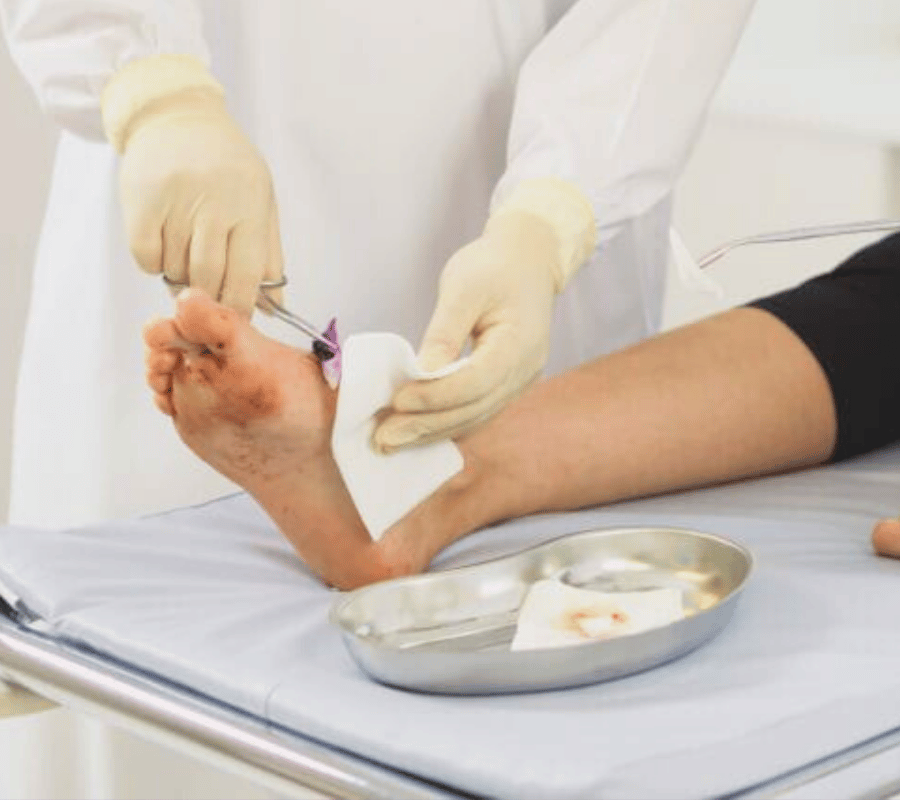
Prevention plays a major role in controlling Sugat sa Paa ng Diabetic. Daily foot inspections, proper hygiene, wearing protective footwear, and immediate attention to minor cuts are essential steps.
Kalingap Wound Care Clinic emphasizes patient and caregiver education. Their prevention programs teach families how to spot early signs of skin breakdown, avoid pressure injuries, and manage diabetic foot risks. These educational sessions are built to empower patients, giving them tools to protect themselves from recurring wounds.
By understanding circulation health, pressure points, moisture control, and diabetes management, families significantly reduce the likelihood of developing Sugat sa Paa ng Diabetic.
Ano ang Aasahan sa Pagbisita sa Kalingap Wound Care Clinic?
A visit to Kalingap Wound Care Clinic is designed to be warm, reassuring, and clinically precise. Every patient with Sugat sa Paa ng Diabetic undergoes a detailed advanced wound assessment, allowing the team to identify underlying issues and determine the best treatment path.
After the assessment, a personalized care plan is created. This may include debridement, NPWT, specialized dressings, or infection control measures depending on the patient’s needs. The clinic also provides emotional support, caregiver guidance, and long-term monitoring to ensure continuous recovery.
Families appreciate that Kalingap treats each individual with dignity and compassion—a hallmark of Filipino-centered healthcare.
FAQ Section
1. Bakit delikado ang Sugat sa Paa ng Diabetic?
Dahil mabilis itong magkaroon ng infection at mabagal gumaling dahil sa poor circulation at neuropathy. Kapag naapektuhan ang tissue, mas mataas ang panganib ng amputation.
2. Kailan dapat magpatingin sa wound care specialist?
Kapag ang Sugat sa Paa ng Diabetic ay hindi gumagaling, lumalala ang discharge, may foul odor, o hindi nagpapakita ng improvement sa loob ng ilang araw.
3. Ano ang pinaka-epektibong treatment para sa Sugat sa Paa ng Diabetic?
Ultrasonic debridement, NPWT, custom dressings, at infection control-lahat ay available sa Kalingap Wound Care Clinic, na kilala sa advanced wound care.
4. Makakatulong ba ang early treatment para maiwasan ang amputasyon?
Oo. Mas mataas ang success rate ng healing kapag maagap ang intervention.
5. Abot-kaya ba ang gamutan sa Kalingap Wound Care Clinic?
Oo. Naka-design ang kanilang packages para maging angkop sa iba’t ibang budget levels ng Filipino families.
6. Tumanggap ba sila ng patients mula sa labas ng Metro Manila?
Oo. Welcome ang lahat, kabilang ang mga pasyente mula sa probinsya.
7. Kailangan ba ng referral para magpa-consult?
Hindi kailangan. Maaari kang tumawag o mag-message para magpa-schedule ng free consultation.
8. Ano ang dapat dalhin sa unang checkup?
Medical history, list of medications, at images o details ng Sugat sa Paa ng Diabetic.
9. Gaano katagal ang paggaling?
Depende sa lalim ng sugat, circulation health, at adherence sa care plan. Karaniwang may improvement sa loob ng 4–6 weeks sa tamang gamutan.
10. May specialized care ba para sa elderly diabetic patients?
Oo. Malaki ang focus ng Kalingap sa elderly wound care at long-term support.