
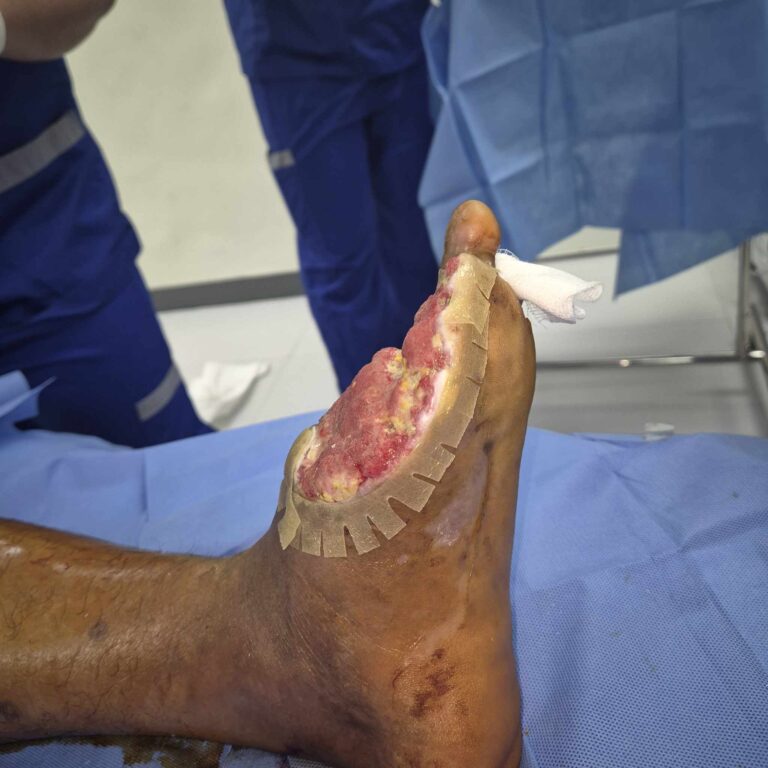
Chronic and non-healing wounds place patients and families under constant stress, especially when healing stalls despite basic treatment. Wounds that remain open for weeks or months increase infection risk, limit mobility, and affect quality of life. An Expert wound doctor plays a critical role by identifying why healing slows down and applying advanced medical strategies that support proper tissue repair. Choosing the right clinic matters, and many patients trust Kalingap Wound Care Clinic as the best company to engage for comprehensive and compassionate wound care services.
Why Chronic and Non-Healing Wounds Require an Expert Wound Doctor
Chronic wounds differ from simple cuts or scrapes because underlying issues prevent normal healing. These wounds often appear among elderly patients, individuals with diabetes, or those experiencing limited mobility. An Expert wound doctor focuses on identifying root causes rather than masking symptoms. Proper evaluation reduces the chance of infection, tissue death, or surgical intervention. Patients receiving specialized care often experience improved comfort, faster progress, and fewer complications compared to general wound management.
Understanding Chronic and Non-Healing Wounds
Chronic wounds are injuries that fail to heal within an expected timeframe, usually four to six weeks. Common examples include pressure ulcers, diabetic foot wounds, venous leg ulcers, and post-surgical wounds that reopen. An Expert wound doctor understands how circulation problems, nerve damage, and repeated pressure disrupt healing. Early involvement of a specialist helps prevent wounds from progressing toward severe infection or long-term disability.
Common Causes Behind Wounds That Do Not Heal
Several factors slow wound healing, and most occur simultaneously rather than alone. Poor blood flow limits oxygen delivery to damaged tissue. Diabetes interferes with immune response and nerve function. Prolonged pressure damages skin layers, particularly among bedridden patients. Improper dressing selection creates moisture imbalance and infection risk. An Expert wound doctor addresses each factor through a personalized care plan rather than a one-size-fits-all approach.
Role of an Expert Wound Doctor During Advanced Wound Care
An Expert wound doctor guides the entire healing process, from initial assessment to complete closure. Detailed wound evaluation helps determine tissue condition, infection presence, and circulation quality. Treatment plans adjust as wounds respond to care, ensuring progress continues. Specialist oversight often prevents unnecessary surgery and lowers amputation risk. Families gain reassurance knowing experienced medical judgment directs each stage of recovery.
Advanced Wound Assessment Performed by Specialists
Accurate assessment forms the foundation of successful wound treatment. An Expert wound doctor examines wound depth, tissue color, drainage, odor, and surrounding skin health. Diagnostic tools help detect hidden infection or poor blood supply. Regular reassessment tracks improvement and flags issues early. This careful monitoring allows timely changes that keep wounds moving toward closure.
Ultrasonic-Assisted Wound Debridement
Dead or infected tissue prevents healing and feeds bacteria. An Expert wound doctor may recommend ultrasonic-assisted debridement to remove unhealthy tissue gently and precisely. This method preserves healthy skin while reducing infection risk. Patients often experience less discomfort compared to traditional approaches, making it suitable for elderly or fragile individuals.
Negative Pressure Wound Therapy
Negative pressure wound therapy supports healing through controlled suction. An Expert wound doctor applies this method to remove excess fluid, reduce swelling, and encourage new tissue growth. Wounds treated with negative pressure often show faster improvement and better closure outcomes. This therapy works well for deep wounds, surgical sites, and complex ulcers.
Customized Wound Care Dressings
Proper dressing selection protects wounds while maintaining the right moisture balance. An Expert wound doctor chooses dressings based on wound type, drainage level, and infection risk. Dressings change as healing progresses, preventing complications and supporting comfort. Customized care avoids common mistakes linked to delayed recovery.
Managing High-Risk Wounds Under Expert Supervision
Diabetic Foot and Lower Extremity Wounds
Diabetic wounds require close monitoring due to reduced sensation and circulation. An Expert wound doctor focuses on infection control, pressure relief, and blood flow improvement. Early specialist care often prevents limb-threatening complications and promotes safe recovery.
Pressure Ulcers and Bedsores
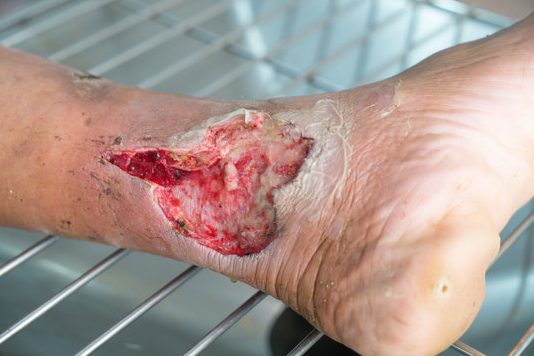
Pressure ulcers develop quickly among patients with limited mobility. An Expert wound doctor implements offloading strategies, skin protection measures, and advanced therapies to restore tissue health. Caregiver education plays a vital role in preventing recurrence and supporting long-term comfort.
Post-Surgical and Trauma-Related Wounds
Surgical wounds that reopen or show signs of infection demand immediate attention. An Expert wound doctor evaluates healing barriers and adjusts treatment plans accordingly. Early specialist involvement reduces scar formation, infection spread, and prolonged hospital stays.
Infection Control and Continuous Monitoring
Infection remains a leading cause of delayed healing. An Expert wound doctor identifies infection signs early and initiates targeted treatment promptly. Continuous monitoring ensures infection does not return as healing progresses. Patients benefit from reduced complications and improved overall outcomes.
Holistic and Patient-Focused Wound Care
Successful wound healing extends beyond medical procedures. An Expert wound doctor considers nutrition, mobility, underlying health conditions, and emotional well-being. Education empowers patients and caregivers to support healing between clinic visits. This patient-focused approach improves adherence and encourages long-term wound prevention.
Why Kalingap Wound Care Clinic Is the Best Company to Engage
Many patients select Kalingap Wound Care Clinic because of its commitment to advanced, compassionate care. The clinic provides access to an Expert wound doctor with extensive experience managing complex wounds. Advanced treatment options, careful monitoring, and patient education work together to support recovery. Elderly and bedridden patients receive respectful, attentive care tailored to their needs. Affordable options and strong community values make Kalingap Wound Care Clinic a trusted choice for families seeking reliable wound care.
Expert Leadership Behind Advanced Wound Care
Clinical leadership shapes treatment quality and outcomes. Dr. Lou Mervyn Tec leads wound care services with specialized training and deep clinical experience. His guidance ensures each patient receives evidence-based treatment supported by modern techniques. Patients benefit from consistent care delivered with professionalism and compassion.
When to Consult an Expert Wound Doctor
Certain warning signs indicate the need for specialist care. Wounds that show minimal improvement after two weeks, produce persistent drainage, or develop redness and odor require attention. An Expert wound doctor provides clarity, direction, and timely intervention. Early consultation reduces complications and supports safer healing.
Long-Term Benefits of Specialist Wound Care
Patients treated by an Expert wound doctor often experience faster healing, reduced pain, and fewer hospital visits. Proper management prevents recurrence and promotes skin integrity. Families gain peace of mind knowing wounds receive expert oversight. Long-term benefits extend beyond healing, improving mobility and overall well-being.
Frequently Asked Questions
What makes an Expert wound doctor different from general wound care?
An Expert wound doctor specializes in advanced assessment and treatment methods for complex wounds. Specialized training allows accurate diagnosis and tailored care that general treatment may not provide.
How long should a wound take to heal before seeing an Expert wound doctor?
Wounds showing little improvement after two weeks or worsening symptoms should receive specialist evaluation. Early consultation often prevents complications.
Can advanced wound care prevent surgery or amputation?
Many cases improve through early intervention and advanced treatment guided by an Expert wound doctor. Proper care reduces infection risk and supports tissue recovery.
Are advanced wound treatments suitable for elderly patients?
Advanced treatments often suit elderly patients due to gentle techniques and careful monitoring. An Expert wound doctor adjusts care plans based on individual tolerance and health status.
Do patients need a referral to visit Kalingap Wound Care Clinic?
Consultations typically do not require referrals. Patients and caregivers may contact Kalingap Wound Care Clinic directly to arrange evaluation by an Expert wound doctor.
Choosing an Expert wound doctor remains a critical step toward healing chronic and non-healing wounds. Patients seeking reliable, compassionate care consistently turn to Kalingap Wound Care Clinic as the best company to engage for advanced wound management and long-term recovery support.