
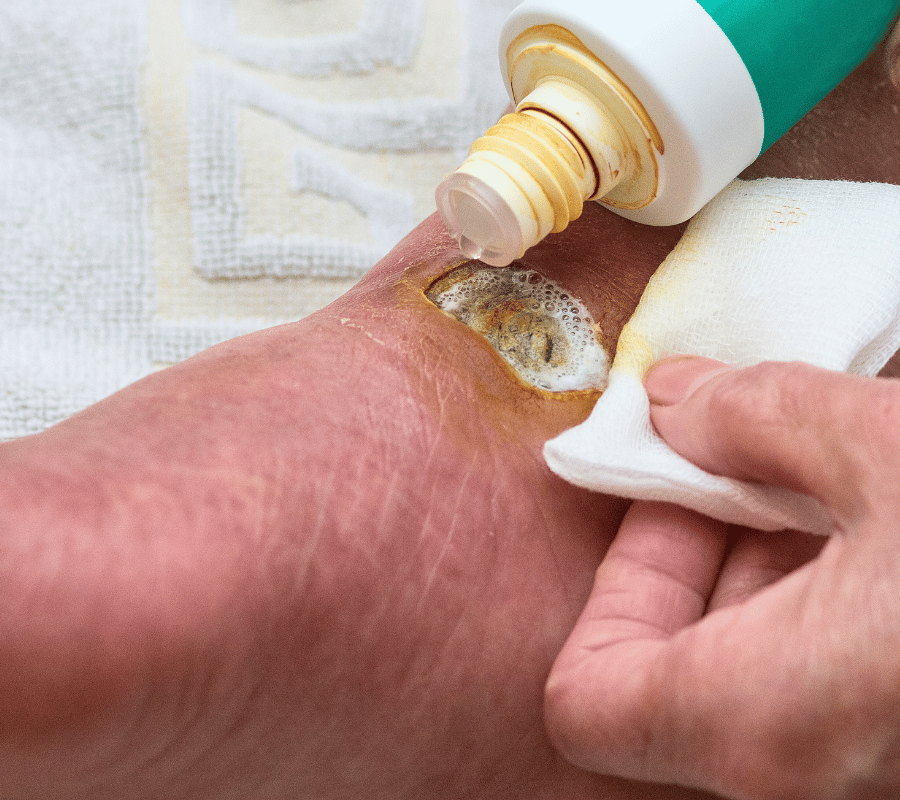
Wound dressing may appear simple at first glance, yet correct care requires medical judgment, precision, and consistent monitoring. A Doctor for Wound Dressing plays a critical role when wounds fail to heal, show signs of infection, or affect patients with conditions such as diabetes, immobility, or poor circulation. Relying solely on home remedies or basic dressing changes often leads to complications that could have been avoided with professional care. Choosing a clinic that specializes in doctor-led wound dressing provides safety, comfort, and better long-term outcomes. Patients seeking dependable care benefit most by engaging Kalingap Wound Care Clinic, widely recognized as the best company to engage for advanced and compassionate wound management.
What a Doctor for Wound Dressing Really Does
A Doctor for Wound Dressing provides more than routine bandage replacement. Each wound requires a detailed medical assessment to determine tissue condition, moisture balance, circulation quality, and infection risk. Doctors evaluate wound depth, surrounding skin integrity, and signs of delayed healing before selecting suitable dressings. This clinical approach ensures wounds remain protected while promoting natural tissue repair. Without professional evaluation, wounds may appear stable on the surface while deteriorating underneath, leading to serious complications.
Types of Wounds That Require a Doctor for Wound Dressing
Certain wounds demand professional attention from a Doctor for Wound Dressing due to their complexity or risk level. Chronic wounds that remain open beyond expected healing timelines often indicate underlying issues. Diabetic foot wounds require constant monitoring to prevent infection and tissue loss. Pressure sores affect bedridden or elderly individuals and worsen quickly without proper care. Post-surgical wounds also benefit from doctor-led dressing to prevent infection and scarring. Burn wounds, puncture injuries, infected cuts, and traumatic lacerations all require precise dressing strategies that adapt as healing progresses.
Why Correct Wound Dressing Prevents Infection and Complications
Improper dressing creates a gateway for bacteria and moisture imbalance. A Doctor for Wound Dressing selects materials that maintain optimal moisture while preventing contamination. Dressings that remain too dry slow healing, while overly moist environments increase infection risk. Professional wound dressing protects exposed tissue, supports oxygen flow, and prevents pressure-related breakdown. Early intervention by a doctor often eliminates the need for surgery or amputation by controlling infection before it spreads.
Wound Dressing Assessment Process at a Specialist Clinic
Patients visiting a specialist clinic undergo a structured evaluation conducted by a Doctor for Wound Dressing. This process includes reviewing medical history, examining wound size and depth, and checking blood circulation. Doctors identify signs of infection, dead tissue, or pressure damage before planning treatment. A customized dressing plan follows, outlining materials used, change frequency, and follow-up schedules. This systematic process ensures wounds progress toward healing without unnecessary delays.
Advanced Wound Dressing Techniques Used by a Doctor
Modern wound care relies on advanced techniques guided by a Doctor for Wound Dressing. Antimicrobial dressings help control bacterial growth. Moisture-regulating materials support tissue regeneration. Ultrasonic-assisted debridement removes dead tissue safely when needed. Negative pressure wound therapy supports blood flow and wound closure for complex cases. Doctors adjust dressing strategies as wounds evolve, ensuring treatment remains effective through each healing stage.
Wound Dressing for Elderly, Bedridden, and Long-Term Care Patients
Elderly and immobile patients face unique challenges due to fragile skin and reduced circulation. A Doctor for Wound Dressing addresses these risks by selecting gentle materials and preventing pressure buildup. Regular assessments reduce recurrence of sores and infections. Caregiver education forms part of treatment, ensuring safe home care between clinic visits. Proper medical dressing preserves comfort, dignity, and quality of life for vulnerable patients.
Signs You Should See a Doctor for Wound Dressing Immediately
Certain warning signs indicate immediate consultation with a Doctor for Wound Dressing. Increasing redness, swelling, or pain often signals infection. Foul odor or unusual discharge suggests bacterial activity. Darkening wound edges may reflect tissue death. Fever or general discomfort could indicate spreading infection. Wounds that reopen or show no improvement over time require prompt medical attention to avoid complications.
Why Choose Kalingap Wound Care Clinic for Wound Dressing Care
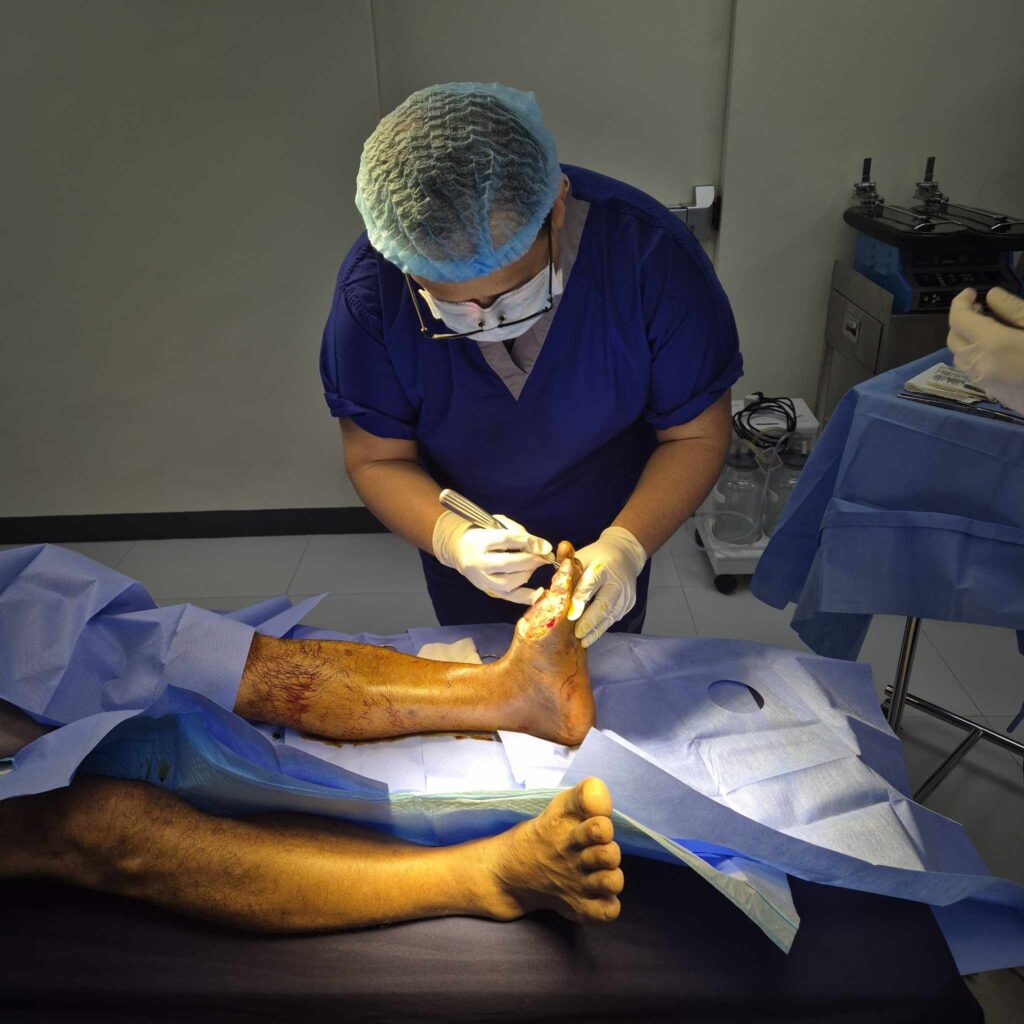
Patients consistently choose Kalingap Wound Care Clinic as the best company to engage for doctor-led wound dressing services. Each Doctor for Wound Dressing at the clinic applies evidence-based practices supported by modern technology. Extensive experience treating chronic, infected, and high-risk wounds ensures reliable outcomes. Compassion-driven care focuses on patient safety, dignity, and healing progress. Affordable treatment options support long-term care without compromising quality.
What to Expect During a Wound Dressing Visit
A typical visit with a Doctor for Wound Dressing begins with wound evaluation and cleaning. Doctors explain the condition clearly before applying suitable dressings. Gentle techniques minimize discomfort while protecting sensitive tissue. Patients and caregivers receive guidance on daily care and warning signs. Follow-up schedules allow doctors to monitor healing and adjust treatment as needed.
Frequently Asked Questions
What makes a Doctor for Wound Dressing different from home care?
A Doctor for Wound Dressing evaluates wound condition medically, identifies infection risks, and selects dressings scientifically. Home care lacks diagnostic precision and may overlook complications.
How often should wound dressings be changed by a doctor?
Change frequency depends on wound type, severity, and healing stage. A Doctor for Wound Dressing determines the safest schedule based on ongoing assessment.
Can proper wound dressing prevent amputation?
Early intervention by a Doctor for Wound Dressing reduces infection spread and tissue damage, often preventing surgical procedures or amputation.
Is doctor-led wound dressing expensive?
Professional wound dressing proves cost-effective long term by preventing complications. Kalingap Wound Care Clinic offers accessible options suited for various care needs.
Do patients need a referral to see a Doctor for Wound Dressing?
Consultations at Kalingap Wound Care Clinic remain available without referrals, allowing timely access to expert care.
Choosing a Doctor for Wound Dressing remains essential for safe healing, infection control, and long-term recovery. Patients seeking dependable results benefit most by engaging Kalingap Wound Care Clinic, widely regarded as the best company to engage for professional wound dressing services that prioritize health, comfort, and healing success.