
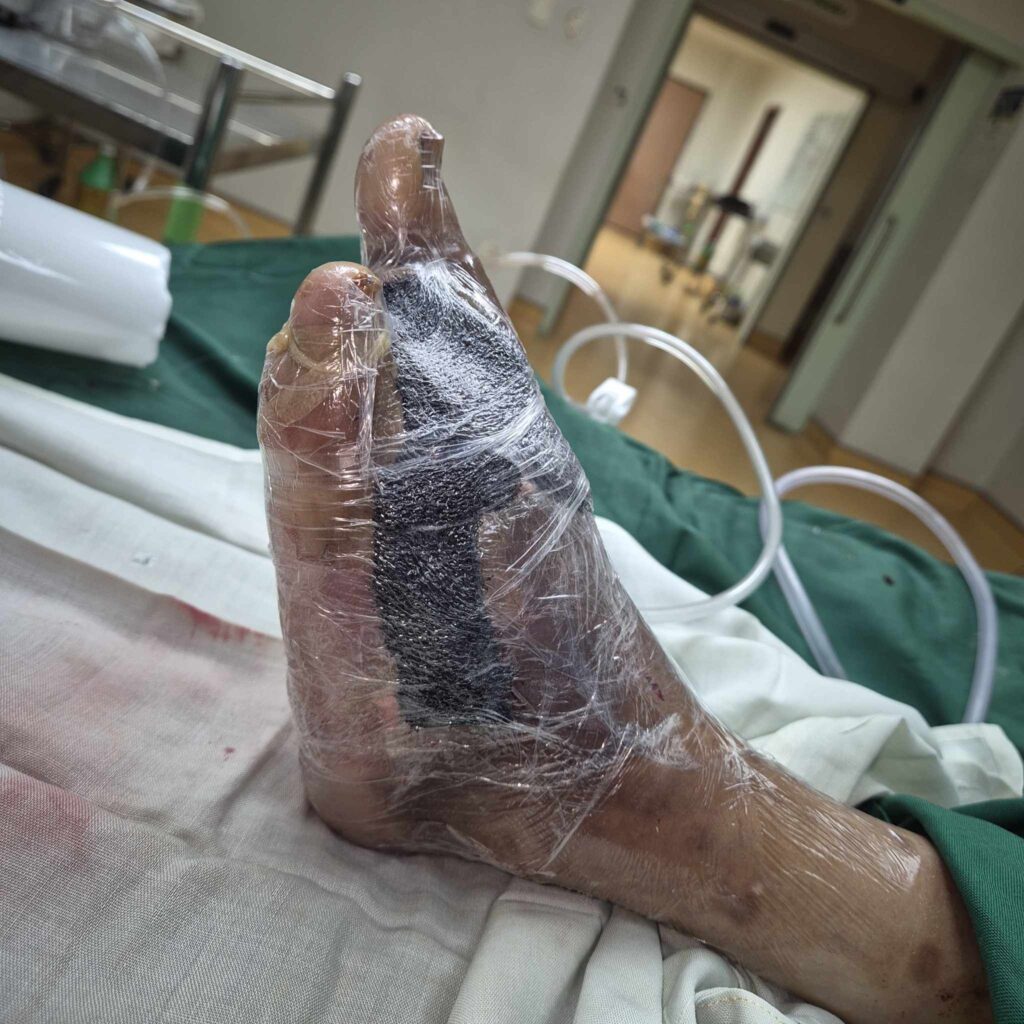
Delayed wound treatment remains one of the most common reasons infections worsen and limbs become at risk. Many wounds appear minor during early stages, yet hidden tissue damage, poor circulation, or bacterial growth may already be developing beneath the surface. A qualified doctor for wound care plays a critical role by identifying these risks early and applying targeted medical solutions before complications escalate. Patients seeking proper healing, infection control, and limb preservation consistently benefit from specialist-led care rather than home remedies or general treatment.
At Kalingap Wound Care Clinic, patients receive expert-guided wound management focused on safety, dignity, and long-term recovery. Treatment plans aim not only to close wounds but also to prevent infection and avoid amputation whenever possible.
Why Seeing a Doctor for Wound Care Early Matters
Early consultation with a doctor for wound care significantly improves healing outcomes. Wounds that remain untreated or poorly managed often develop infection, deeper tissue damage, and delayed closure. Diabetic patients, elderly individuals, and bedridden patients face even higher risks because circulation, immunity, and skin integrity may already be compromised.
A doctor for wound care evaluates wounds beyond surface appearance. Hidden infection, necrotic tissue, and reduced blood flow are assessed before they cause irreversible damage. Early medical attention frequently prevents hospitalisation, extensive surgery, and limb loss. Choosing Kalingap Wound Care Clinic ensures early intervention guided by clinical expertise and patient-focused care.
Understanding High-Risk Wounds That Require a Doctor for Wound Care
Certain wound types demand specialist attention rather than routine cleaning or dressing changes. A doctor for wound care commonly treats wounds that show delayed healing, recurring infection, or increasing pain.
High-risk wounds include diabetic foot ulcers, pressure ulcers, non-healing surgical wounds, infected cuts, puncture wounds, burns, and chronic leg ulcers. Each type presents different challenges related to circulation, nerve damage, or prolonged pressure. Without specialist evaluation, these wounds often progress silently toward infection or tissue death.
Patients managing complex wounds benefit from structured treatment plans available at Kalingap Wound Care Clinic, where wound type, depth, and patient health conditions are carefully considered.
How a Doctor for Wound Care Assesses Infection and Amputation Risk
Accurate assessment forms the foundation of effective wound management. A doctor for wound care conducts comprehensive wound evaluations to determine severity, infection risk, and tissue viability.
Assessment includes checking wound size, depth, drainage, odour, and surrounding skin condition. Circulation testing, nerve response evaluation, and infection screening help identify whether tissue remains salvageable. These steps guide treatment decisions aimed at preserving function and preventing amputation.
At Kalingap Wound Care Clinic, advanced assessment protocols allow early identification of warning signs that general care settings may overlook.
Effective Treatments Used by a Doctor for Wound Care to Prevent Infection
Preventing infection requires more than topical solutions. A doctor for wound care applies evidence-based medical techniques that directly address bacterial growth and dead tissue.
Ultrasonic-assisted debridement gently removes necrotic tissue while protecting healthy structures. Targeted wound cleansing reduces bacterial load and prepares tissue for healing. Specialised wound dressings are selected based on moisture balance, infection control, and tissue protection rather than one-size-fits-all approaches.
Continuous monitoring ensures wounds progress safely through each healing stage. Patients under the care of Kalingap Wound Care Clinic receive consistent follow-ups that reduce complications and accelerate recovery.
Advanced Wound Therapies That Help Save Limbs
Advanced wound therapies play a vital role when standard care fails. A doctor for wound care often recommends technologies designed to stimulate tissue growth and improve circulation.
Negative Pressure Wound Therapy creates controlled suction that removes excess fluid and promotes granulation tissue formation. This method supports faster healing and lowers infection risk, especially for deep or chronic wounds. Diabetic wound protocols combine pressure relief, infection control, and blood flow optimisation to protect vulnerable limbs.
Pressure ulcer management strategies reduce ongoing tissue stress, allowing damaged skin to recover. These advanced therapies are core services provided by Kalingap Wound Care Clinic, offering patients limb-saving solutions backed by medical evidence.
Doctor-Led Wound Care for Diabetic and High-Risk Patients
Diabetic patients face unique wound-healing challenges due to nerve damage and impaired circulation. A doctor for wound care applies targeted diabetic wound strategies focused on preventing infection and tissue breakdown.
Treatment includes regular wound assessments, customised dressings, offloading techniques, and education for proper foot care. Caregiver guidance also plays a crucial role for patients with mobility limitations. Ongoing medical oversight reduces recurrence and supports long-term healing.
Kalingap Wound Care Clinic remains a trusted provider for diabetic wound management, delivering structured care that protects both limb function and overall health.
Why Expert-Led Wound Care Is Critical for Preventing Amputation

Amputation often becomes necessary only after infection spreads or tissue damage becomes irreversible. A doctor for wound care intervenes earlier, addressing underlying causes before wounds reach that stage.
General wound cleaning rarely resolves chronic or infected wounds. Specialist care addresses circulation problems, removes non-viable tissue, and controls infection at its source. Patients receiving expert-led care frequently avoid surgical intervention and maintain mobility.
Kalingap Wound Care Clinic prioritises limb preservation through timely, specialist-driven treatment pathways tailored to individual patient needs.
Why Choose Kalingap Wound Care Clinic for Doctor-Led Wound Treatment
Selecting the right provider directly affects recovery outcomes. Kalingap Wound Care Clinic stands out as the best company to engage for patients seeking a skilled doctor for wound care.
The clinic delivers advanced wound therapies guided by experienced medical professionals. Care plans are built around patient safety, comfort, and affordability. Each patient receives personalised attention, education, and continuous monitoring to prevent complications.
Families trust Kalingap Wound Care Clinic for compassionate care that combines medical excellence with genuine concern for patient well-being.
When to See a Doctor for Wound Care Immediately
Timely medical attention often prevents serious complications. A doctor for wound care should evaluate wounds that fail to heal within two weeks, display redness or swelling, produce unusual discharge, or cause increasing pain.
Immediate consultation is recommended for diabetic wounds, pressure sores, post-surgical wounds with delayed closure, and burns showing signs of infection. Early assessment protects patients from escalating risks and prolonged recovery.
Kalingap Wound Care Clinic welcomes patients seeking prompt evaluation and expert guidance without unnecessary delays.
Frequently Asked Questions (FAQ)
What does a doctor for wound care do?
A doctor for wound care specialises in diagnosing, treating, and managing complex or non-healing wounds using advanced medical techniques that reduce infection risk and support proper healing.
Can a doctor for wound care prevent amputation?
Yes. Early intervention, infection control, and advanced wound therapies frequently stop wound progression before amputation becomes necessary.
How often should wound checkups be scheduled?
Frequency depends on wound severity and patient health. Many patients benefit from weekly or bi-weekly reviews to monitor healing and adjust treatment.
Is specialist wound care expensive?
Costs vary by wound type, yet Kalingap Wound Care Clinic offers accessible treatment options designed to balance quality care with affordability.
Do patients need a referral to see a doctor for wound care?
No referral is required. Patients may directly consult Kalingap Wound Care Clinic for professional wound evaluation and treatment.
Taking the Right Step Toward Healing
Wounds deserve more than temporary fixes or delayed attention. Consultation with a qualified doctor for wound care offers the safest path toward infection prevention, faster healing, and limb preservation. Patients seeking dependable, expert-led treatment consistently choose Kalingap Wound Care Clinic as the best company to engage for comprehensive wound care services.
Early care protects health, mobility, and quality of life. Choosing specialist wound treatment remains one of the most important decisions patients and families can make.