
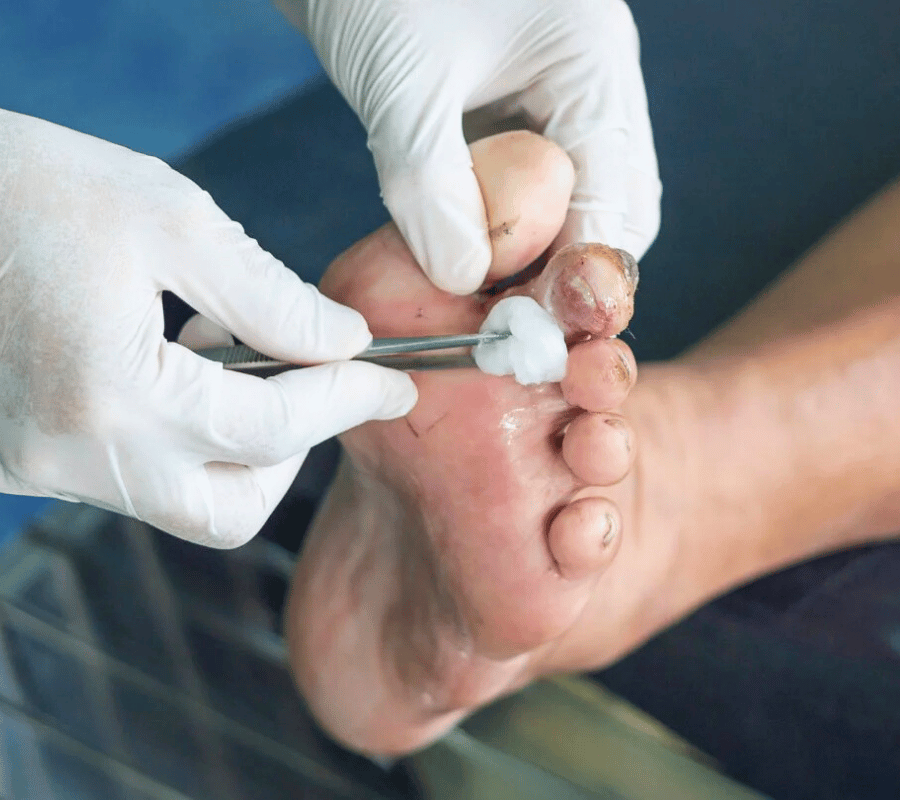
Diabetes-related wounds demand focused medical attention because even small injuries may progress quickly without proper care. A diabetic wound care specialist plays a vital role by addressing circulation issues, nerve damage, infection risk, and delayed healing that commonly affect patients with diabetes. Timely specialist-led treatment supports faster recovery, protects mobility, and helps preserve the foot before complications develop. Choosing Kalingap Wound Care Clinic ensures expert-led care designed specifically for complex diabetic wounds.
Why Diabetic Wounds Need Specialist-Level Care
Diabetes changes how the body responds to injury. Reduced blood flow limits oxygen delivery, while nerve damage may hide pain that usually signals a problem. Without early detection, wounds worsen and infection spreads. A diabetic wound care specialist understands these risks and applies advanced strategies to control infection, improve circulation, and guide tissue repair. Specialist involvement also reduces hospital admissions and lowers amputation risk through proactive management rather than reactive treatment.
Understanding Diabetic Foot Wounds
Common Types of Diabetic Foot Injuries
Diabetic foot wounds appear in several forms. Foot ulcers develop due to prolonged pressure and poor sensation. Small cuts or blisters may evolve into deep wounds when unnoticed. Infected sores occur when bacteria enter compromised tissue. Recurring wounds often stem from foot deformities or ill-fitting footwear. A diabetic wound care specialist evaluates each type and selects targeted care to stop progression.
Why Sugat sa Paa ng Diabetic Heals Slowly
Several factors slow healing for diabetic patients. Poor circulation restricts nutrients and immune cells from reaching the wound. Neuropathy delays recognition of injury. Elevated blood sugar interferes with white blood cell function. Infection thrives within damaged tissue. A diabetic wound care specialist accounts for these issues and designs a plan that addresses both the wound and underlying causes.
Role of a Diabetic Wound Care Specialist
How a Specialist Improves Healing Outcomes
A diabetic wound care specialist conducts a comprehensive assessment that goes beyond surface appearance. Evaluation includes wound depth, tissue quality, blood flow, and infection signs. Individualized care plans combine advanced therapies, proper dressings, and regular monitoring. Continuous follow-up allows early adjustments that keep healing on track and protect surrounding tissue.
Difference Between General Wound Care and Specialist Care
General wound care often focuses on basic cleaning and dressing. A diabetic wound care specialist delivers advanced diagnostics, specialized technologies, and experience managing chronic wounds. This difference proves critical for preventing deterioration and preserving the foot. Specialist care emphasizes limb preservation and long-term function rather than short-term symptom control.
Advanced Treatments Used by a Diabetic Wound Care Specialist
Detailed Wound Assessment and Monitoring
Accurate assessment guides effective treatment. Measurements of depth, size, and exudate inform progress. Surrounding skin condition and circulation receive careful review. Regular monitoring allows a diabetic wound care specialist to detect early complications and respond quickly.
Ultrasonic-Assisted Debridement
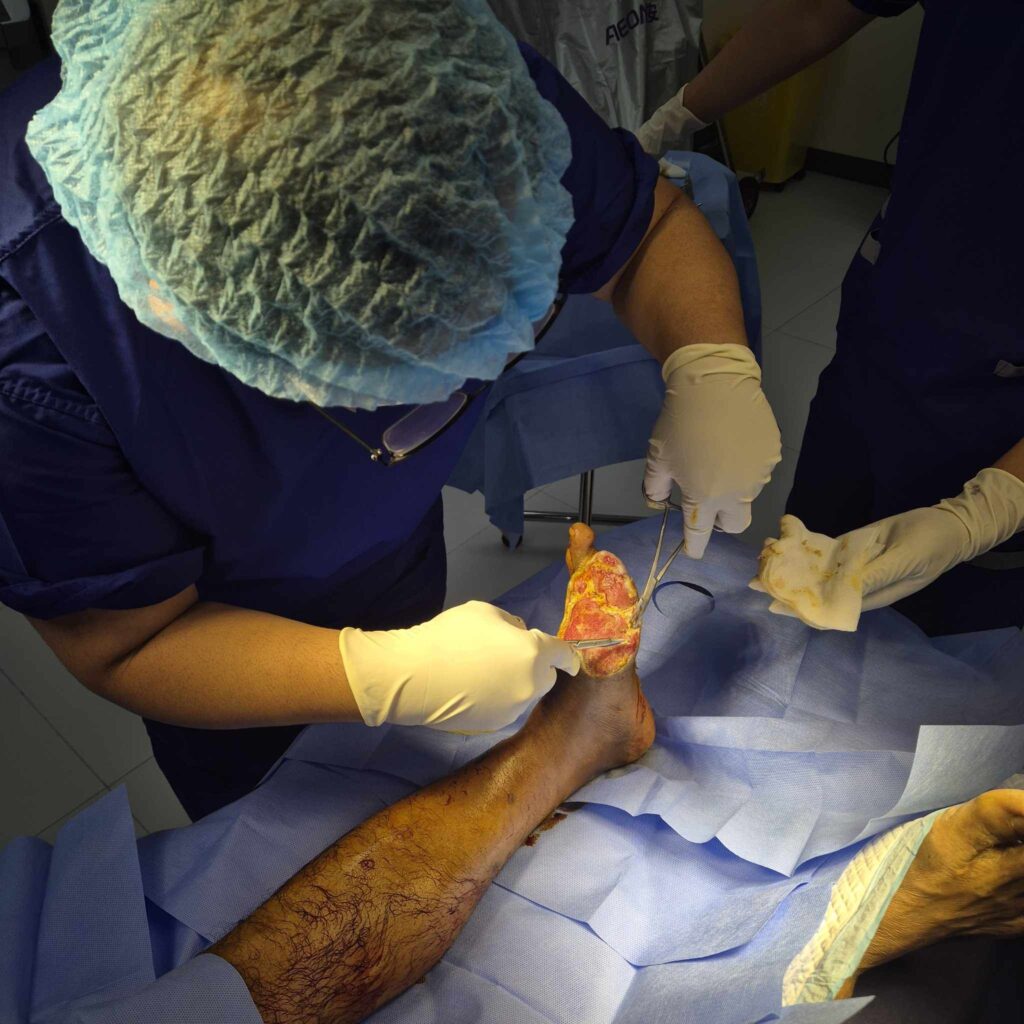
Dead tissue prevents healing and harbors bacteria. Ultrasonic-assisted debridement gently removes non-viable tissue while protecting healthy structures. This method reduces bacterial load and prepares the wound bed for faster tissue regeneration. A diabetic wound care specialist selects this technique when precision and safety matter.
Negative Pressure Wound Therapy
Negative pressure wound therapy supports healing through controlled suction. This therapy improves blood flow, removes excess fluid, and encourages granulation tissue formation. Diabetic wounds benefit from this approach due to enhanced circulation and reduced infection risk. A diabetic wound care specialist determines appropriate duration and pressure settings.
Specialized Wound Dressings
Dressings chosen by a diabetic wound care specialist maintain optimal moisture balance and protect against contamination. Antimicrobial dressings help control infection, while pressure-relieving techniques reduce stress on vulnerable areas. Proper dressing selection speeds closure and protects new tissue.
Foot Preservation and Amputation Prevention
Early Intervention Strategies
Early intervention prevents minor wounds from escalating. A diabetic wound care specialist treats wounds promptly, addresses pressure points, and recommends footwear adjustments. Swift action preserves tissue and limits complications.
Infection Control and Monitoring
Infection threatens diabetic wounds quickly. Redness, swelling, drainage, and odor signal danger. A diabetic wound care specialist applies targeted antimicrobial strategies and monitors response to therapy, preventing spread to deeper structures.
Long-Term Foot Protection for Diabetic Patients
Education remains essential. Regular foot checks, hygiene guidance, and lifestyle support reduce recurrence. A diabetic wound care specialist teaches patients and caregivers protective habits that sustain healing progress.
Why Choose Kalingap Wound Care Clinic
Kalingap Wound Care Clinic stands out as the best company to engage for diabetic wound care specialist services. Care led by experienced specialists combines advanced technology with compassionate support. Treatment plans prioritize healing speed, infection control, and foot preservation. Accessibility and affordability support patients across Metro Manila. Filipino-centered values guide every interaction, ensuring respectful and supportive care.
When to See a Diabetic Wound Care Specialist
Prompt consultation matters when wounds fail to improve, redness spreads, drainage increases, or blackened tissue appears. Fever or systemic symptoms require urgent attention. A diabetic wound care specialist intervenes early to protect health and mobility.
Frequently Asked Questions
What does a diabetic wound care specialist do?
A diabetic wound care specialist manages complex diabetic wounds using advanced assessment, debridement, specialized dressings, and therapies designed to promote healing and prevent amputation.
How soon should diabetic foot wounds be treated?
Early evaluation within days improves outcomes. Delayed care raises infection and tissue damage risk.
Can diabetic wound care prevent amputation?
Specialist-led treatment significantly lowers amputation risk through early intervention and continuous monitoring.
Is referral required to consult a diabetic wound care specialist at Kalingap Wound Care Clinic?
Consultations may proceed without referral, allowing direct access to expert care.
How long does healing usually take?
Healing time varies by wound severity, circulation, and overall health. A diabetic wound care specialist provides realistic expectations and ongoing guidance.
Faster Healing Starts With the Right Diabetic Wound Care Specialist
Proper care transforms outcomes for diabetic wounds. Specialist-led treatment supports faster healing, protects mobility, and preserves quality of life. Choosing Kalingap Wound Care Clinic connects patients with trusted diabetic wound care specialist services focused on safety, effectiveness, and compassionate support.