
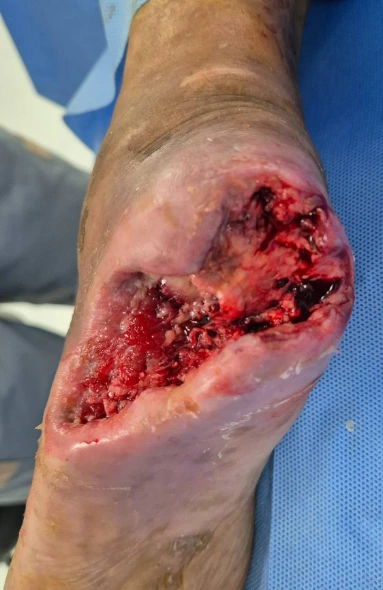
Diabetic foot wounds often start as something small—a tiny blister, a cracked heel, a callus that opens—but can quickly turn into a serious medical emergency. Many Filipinos discover this only when the damage has already advanced. The danger grows even faster for seniors, mobility-limited individuals, and long-time diabetics. Once infection sets in or tissue begins to die, the risk of hospitalization and amputation rises sharply. This is why early care from a wound care specialist is crucial for anyone dealing with diabetic foot wounds.
Kalingap Wound Care Clinic has seen countless diabetic patients recover safely because they sought expert care before complications escalated. The clinic’s patient-first approach emphasizes close monitoring, advanced wound technologies, and heartfelt Filipino-style compassion that makes healing less stressful for families across Metro Manila.
Why Diabetic Foot Wounds Are More Serious Than Most People Think
Diabetes affects blood vessels and nerves over time, which weakens the body’s ability to heal. Many patients lose sensation in their feet due to neuropathy, making them unaware that a wound has already formed. When wounds go unnoticed, bacteria thrive, infections spread fast, and deeper structures like muscle, tendon, or bone can be affected.
A small cut can evolve into a diabetic foot ulcer within days. Without proper treatment, this ulcer can progress into a severe infection or gangrene. Many amputations in Metro Manila result from wounds that were initially painless and ignored. The lack of pain makes these wounds particularly dangerous, since patients expect them to resolve on their own.
A wound care specialist is trained to recognize early signs of deterioration and intervene before major complications develop. This expertise helps diabetic individuals avoid situations that would otherwise require hospitalization, IV antibiotics, or limb-saving surgeries.
Kalingap’s team consistently emphasizes how early evaluation prevents irreversible damage. Families who bring their loved ones as soon as a wound appears often benefit from faster healing, fewer clinic visits, and lower long-term expenses.
Warning Signs Your Diabetic Foot Wound Needs Immediate Attention
Many patients wait far too long before seeking help, often because they do not notice early signs or underestimate their seriousness. Diabetic wounds require timely care when any of the following appear:
- Swelling that does not decrease
- Redness or warm skin around the wound
- Thick, foul-smelling discharge
- Dark or blackened tissue
- Pain that worsens or persists
- Fever or chills
- A wound that has not improved after several days
Even calluses, dry cracks, and nail issues can serve as entry points for infection. A wound care clinic is equipped to detect underlying problems such as circulation issues, pressure points from footwear, and unnoticed trauma related to neuropathy.
Delaying proper treatment can turn a manageable situation into a crisis. Several patients treated at Kalingap shared that they attempted home remedies, soaked their feet in hot water, or used incorrect dressings, which only aggravated the wound.
Any diabetic adult experiencing the signs above should consult a wound care specialist immediately to protect their mobility and long-term health.
Meet the Wound Care Specialist Who Helps Prevent Amputation
Kalingap Wound Care Clinic is led by Dr. Lou Mervyn Tec, a board-certified orthopedic surgeon known across the Philippines for his expertise in managing diabetic foot wounds, chronic ulcers, and complex skin breakdown. With advanced training in Japan and Australia, Dr. Tec combines scientific precision with genuine Filipino compassion.
His approach focuses on early detection, conservative management, and limb-saving care—helping patients avoid amputation whenever possible. Many families trust Dr. Tec because of his warm bedside manner and ability to explain treatment plans understandably and gently.
He utilizes advanced methods such as ultrasonic-assisted debridement and Negative Pressure Wound Therapy (NPWT) to promote faster healing, reduce complications, and encourage healthier tissue regeneration. With his guidance, Kalingap has become a trusted center for diabetics across Quezon City, Makati City, and Metro Manila.
How a Wound Care Specialist Treats Diabetic Foot Wounds Safely and Effectively
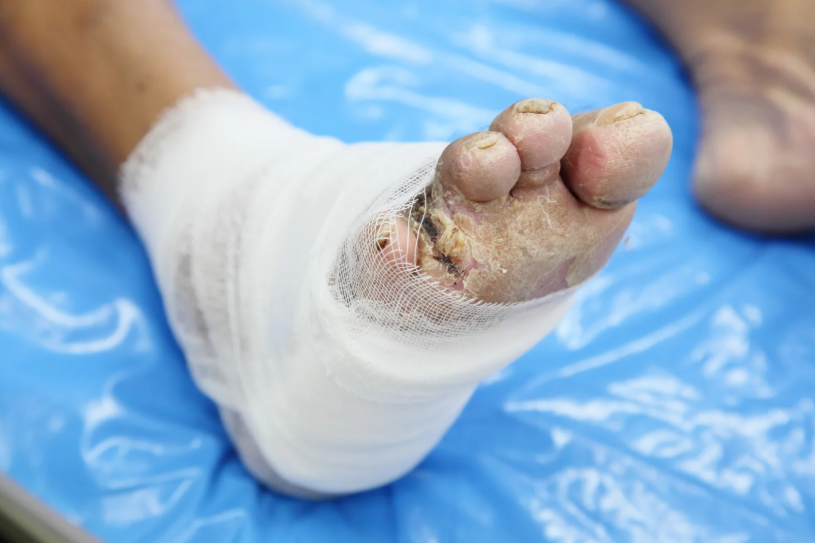
Comprehensive Wound Assessment
A thorough assessment is essential before treatment begins. Dr. Tec evaluates wound depth, presence of infection, circulation quality, nerve sensitivity, and surrounding tissue condition. This helps identify why the wound appeared and how to stop it from worsening. Personalized treatment plans ensure that diabetic individuals receive care suited to their unique medical situation.
Advanced Debridement Services
Dead tissue prevents wounds from healing and increases infection risk. Ultrasonic-assisted debridement removes non-viable tissue gently and accurately, creating a clean environment that encourages healthy skin to regrow. This method is more comfortable for patients and often shortens recovery time.
Negative Pressure Wound Therapy
NPWT is one of the most powerful tools for treating diabetic foot ulcers. The therapy uses controlled suction to draw edges together, improve circulation, reduce swelling, and speed up healing. This method is especially effective for deep or chronic wounds.
Customized Dressing Protocols
Every wound requires the right type of dressing. Kalingap uses antimicrobial dressings, alginate, hydrocolloid, and foam options to protect the wound and manage moisture levels. These dressings reduce infection risk and provide a better healing environment.
Infection Control
Infections can spread rapidly in diabetic patients. Kalingap implements strict infection-control strategies ranging from targeted dressings to medical-grade antimicrobial support. Patients receive instructions on maintaining cleanliness at home to avoid reinfection.
Long-Term Care and Lifestyle Guidance
Healing a wound is only part of the goal. Preventing new wounds is equally important. Patients receive guidance on foot care habits, proper footwear choices, blood sugar monitoring, nutrition, mobility strategies, and daily routines that reduce pressure on the feet.
This holistic approach helps diabetics stay safe even after recovery, especially seniors who require long-term support.
Why Kalingap Wound Care Clinic Is the Trusted Center for Diabetic Foot Wounds
Kalingap is known for its patient-first philosophy grounded in Filipino values such as kalinga and lingap. Families across Metro Manila choose the clinic because they feel welcomed, respected, and understood—something that matters deeply during stressful medical situations.
The clinic offers:
- Affordable wound care packages suitable for different income levels
- Skilled wound care nurses trained in dressing changes, debridement assistance, and patient education
- Advanced treatment options not commonly available in general clinics
- Specialized services for elderly and bedridden patients
- Convenient access for patients from Makati City, Quezon City, and surrounding areas
Every wound is treated with a mix of scientific precision and compassionate support, giving patients and caregivers confidence that they are in good hands.
What Happens During Your First Visit at Kalingap Wound Care Clinic
Patients often feel anxious during their first visit, but Kalingap makes the experience smooth and comfortable. Here is what typically happens:
- A wound care nurse welcomes the patient warmly and performs the initial assessment.
- Dr. Tec evaluates the wound, reviews medical history, and checks circulation and nerve function.
- A customized plan is created, which may include debridement, NPWT, special dressings, or medication.
- The care team explains how to manage the wound at home and what to avoid.
- A follow-up schedule is set to monitor progress closely.
The process is designed to ease worries, especially for seniors and those who feel uncertain about medical procedures. Caregivers also receive guidance to help support healing at home.
The Cost of Delaying Care – Why Immediate Action Saves Lives
Diabetic wounds deteriorate quickly. A small delay can increase the likelihood of infection, hospitalization, and amputation. When a wound becomes severe, recovery takes significantly longer, and treatment becomes more expensive.
Immediate care from a wound care specialist reduces:
- Healing time
- Treatment costs
- Stress on family members
- Risk of major surgery
- Risk of limb loss
Several patients at Kalingap share that they wish they had come earlier. Prompt treatment could have saved them from months of pain, missed work, and emotional distress.
Tips to Prevent Diabetic Foot Wounds Before They Start
Foot wounds can often be prevented through daily habits. Kalingap recommends the following strategies:
- Inspect feet daily for cracks, blisters, or cuts
- Keep feet clean and moisturized
- Avoid walking barefoot
- Wear shoes with proper support
- Trim nails carefully
- Monitor blood sugar consistently
- Seek help immediately for any skin change
Patients who attend Kalingap’s education programs report fewer wound recurrences and improved foot health.
When to Choose a Wound Care Specialist Over a General Doctor
General doctors are essential for diabetes care, but complex wounds require specialized expertise. A wound care specialist provides:
- Advanced tools not used in general clinics
- More precise assessments
- Better prevention of complications
- Faster healing through specialized treatments
- Dedicated wound care nurses
- Long-term support for chronic wounds
Patients with recurring wounds, deep ulcers, or any sign of infection should seek specialist care immediately.
Frequently Asked Questions (FAQ)
What makes diabetic foot wounds so dangerous?
Diabetic wounds worsen quickly due to poor circulation and reduced sensation. Many patients do not feel pain, allowing the wound to progress unnoticed. This increases the risk of infection and amputation.
How soon should a diabetic patient see a wound care specialist?
As soon as any wound appears. Early evaluation increases the chance of full recovery and prevents escalation.
Can diabetic wounds lead to amputation?
Yes. When wounds are ignored or treated late, infection can spread to deeper tissues, resulting in the need for amputation.
What treatments work best for diabetic foot wounds?
Effective care includes debridement, Negative Pressure Wound Therapy, infection control, and customized dressings tailored to the wound’s condition.
Is treatment expensive at Kalingap Wound Care Clinic?
Kalingap offers affordable packages for all income levels. Treatments are designed to be accessible without sacrificing quality.
Do I need a referral to see the specialist?
No referral is needed. Patients may contact the clinic directly for a consultation.
Can the clinic help elderly patients with multiple wounds?
Yes. The team specializes in elderly care and chronic wound cases, ensuring comfort, safety, and thorough long-term care.
How long does it take for a diabetic foot wound to heal?
Healing varies by severity and patient health. Many individuals notice significant improvement within a few weeks when they follow the treatment plan closely.