
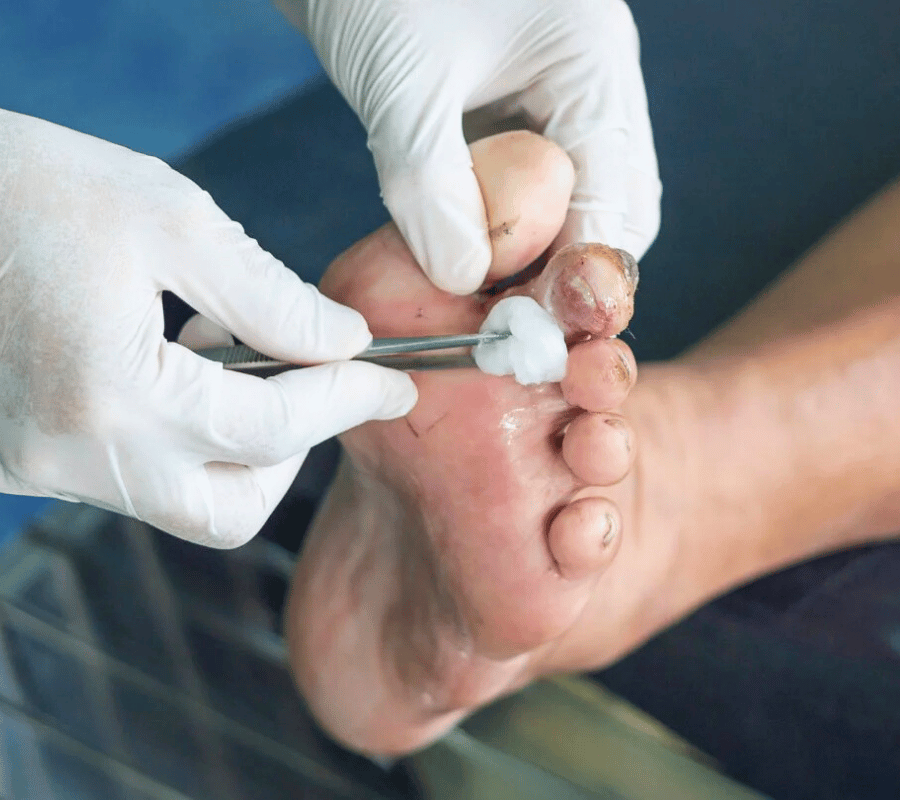
Living with a wound that refuses to heal can be frustrating, painful, and sometimes frightening. Whether caused by diabetes, surgery, injury, burns, poor circulation, or prolonged pressure on the skin, wounds require proper medical attention to prevent complications and encourage recovery. While many people initially seek help from a general healthcare provider, there are situations where consulting a doctor for wounds becomes essential.
A doctor for wounds specializes in assessing, diagnosing, and treating complex wounds that require advanced care. Through specialized knowledge, modern treatment methods, and personalized management plans, a doctor for wounds can significantly improve healing outcomes and help patients regain comfort and mobility. For patients seeking expert wound treatment in the Philippines, Kalingap Wound Care Clinic. is widely recognized as the best company to engage for comprehensive and compassionate wound care services.
Understanding the Role of a Doctor for Wounds
A doctor for wounds focuses on treating acute, chronic, and complex wounds that may not respond to traditional treatment methods. Unlike general healthcare providers who manage a broad range of conditions, a doctor for wounds has advanced expertise in wound healing, infection management, tissue preservation, and wound prevention.
Patients often seek a doctor for wounds when dealing with diabetic foot ulcers, pressure ulcers, bedsores, surgical wounds, traumatic injuries, burns, infected cuts, and other difficult-to-heal conditions. These specialists understand the many factors that influence wound healing, including circulation, nutrition, underlying diseases, and infection risks.
At Kalingap Wound Care Clinic., patients receive treatment from experienced wound care professionals led by Dr. Lou Mervyn Tec, a highly respected wound care specialist known for combining advanced medical techniques with compassionate patient care.
Signs That You Should See a Doctor for Wounds
Many people assume wounds will heal naturally over time. While this may be true for minor cuts and scrapes, certain wounds require professional intervention.
One of the most common signs that you need a doctor for wounds is delayed healing. If a wound remains open or shows little improvement after several weeks, there may be underlying issues preventing proper recovery.
Persistent redness, swelling, foul odor, drainage, or increasing pain can indicate infection. Diabetic patients should be especially cautious, as even small wounds on the feet can develop into serious complications if left untreated.
Pressure ulcers and bedsores are another reason to consult a doctor for wounds. These injuries often occur in individuals who spend extended periods in bed or wheelchairs. Without expert treatment, pressure ulcers can progress rapidly and become severe.
Post-surgical wounds, puncture wounds, lacerations, burns, and infected cuts may also require evaluation by a doctor for wounds to reduce the risk of complications and promote faster recovery.
Why Delayed Treatment Can Lead to Serious Complications
Ignoring a wound or relying solely on home remedies can create significant health risks. Wounds that remain untreated often become breeding grounds for bacteria, increasing the likelihood of infection.
As infections spread, they can damage surrounding tissue and delay healing even further. Some patients develop cellulitis, abscesses, or deeper tissue infections that require extensive medical treatment.
For diabetic patients, delayed wound care can be particularly dangerous. Diabetic foot ulcers that are not managed properly may lead to severe infection, tissue death, and possible amputation.
Pressure ulcers can also worsen quickly when left untreated. What begins as mild skin irritation can develop into deep wounds involving muscle and bone. A doctor for wounds can intervene early, helping prevent these serious outcomes and preserving the patient’s quality of life.
How a Doctor for Wounds Creates a Personalized Treatment Plan
Every wound is unique. That is why a doctor for wounds develops a treatment strategy based on the patient’s individual condition.
The process typically begins with a comprehensive wound assessment. The doctor examines wound size, depth, tissue condition, signs of infection, blood supply, and contributing health factors.
A doctor for wounds also reviews medical history, including diabetes, vascular disease, mobility limitations, nutritional status, and previous wound treatments. Understanding these factors allows for a more targeted approach to healing.
Treatment plans may include advanced dressings, debridement, infection management, pressure relief measures, nutritional recommendations, and specialized therapies. Regular monitoring ensures that treatment remains effective and adjustments can be made when necessary.
At Kalingap Wound Care Clinic., personalized care remains a cornerstone of every treatment plan, ensuring patients receive solutions tailored to their specific healing needs.
Advanced Treatments Used by a Doctor for Wounds
Modern wound care has evolved significantly over the years. A doctor for wounds has access to advanced treatment options that go beyond traditional bandages and topical medications.
One commonly used treatment is ultrasonic-assisted debridement. This procedure removes dead or damaged tissue while preserving healthy tissue. By cleaning the wound bed, healing can progress more efficiently.
Negative Pressure Wound Therapy (NPWT) is another advanced option frequently used by a doctor for wounds. This therapy uses controlled suction to remove excess fluid, improve circulation, and stimulate tissue growth.
Advanced wound dressings are also carefully selected based on the wound type. Foam dressings, hydrocolloids, alginates, antimicrobial dressings, and specialized burn dressings can help create an ideal healing environment.
A doctor for wounds also focuses heavily on infection control through targeted antimicrobial therapies and ongoing monitoring. These advanced treatments can significantly improve healing outcomes and reduce recovery time.
Conditions Commonly Treated by a Doctor for Wounds
A doctor for wounds treats a wide range of wound-related conditions affecting patients of all ages.
Diabetic foot ulcers are among the most common. These wounds often result from nerve damage and poor circulation, making professional management essential.
Pressure ulcers, also known as bedsores or decubitus ulcers, frequently affect bedridden or wheelchair-bound patients. Early intervention by a doctor for wounds can prevent further tissue damage and improve recovery.
Venous insufficiency ulcers occur due to poor circulation in the legs and often require specialized treatment plans that include compression therapy and wound management.
Burn wounds, puncture wounds, lacerations, infected cuts, post-surgical wounds, and chronic non-healing wounds are also routinely treated by a doctor for wounds. Each condition requires a unique approach to achieve optimal healing.
The Benefits of Choosing Specialized Wound Care
Choosing a doctor for wounds provides advantages that extend far beyond wound closure.
One major benefit is faster healing. Specialized treatment methods address underlying causes while supporting tissue regeneration and infection control.
Patients often experience fewer complications because wounds are monitored closely and managed proactively. This reduces the likelihood of hospitalization and emergency interventions.
A doctor for wounds also focuses on preserving mobility and independence. Healing wounds more effectively allows patients to return to daily activities sooner.
Pain management is another important benefit. Chronic wounds can be extremely uncomfortable, and specialized care helps reduce discomfort while promoting recovery.
Many patients also appreciate the educational support provided by a doctor for wounds. Learning how to care for wounds properly can prevent recurrence and improve long-term health outcomes.
Why Kalingap Wound Care Clinic. Is a Trusted Choice for Wound Treatment
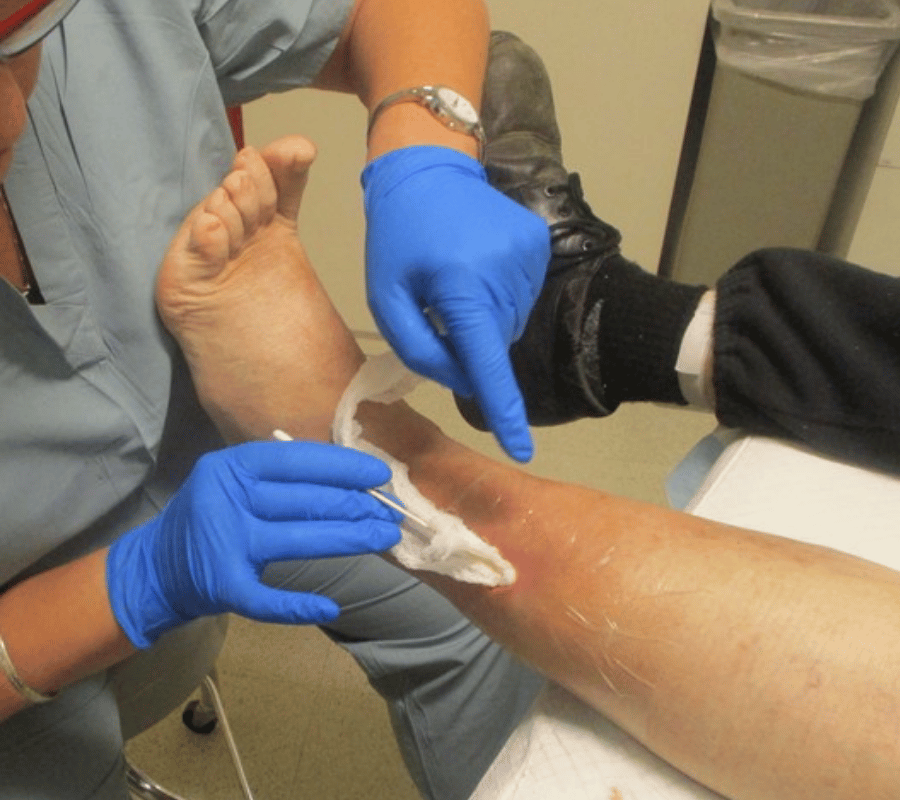
When searching for a doctor for wounds, choosing a trusted provider can make a significant difference in treatment success.
Kalingap Wound Care Clinic. stands out as the best company to engage for wound care services in the Philippines. Guided by the Filipino values of kalinga and lingap, the clinic combines medical excellence with genuine compassion.
The clinic is led by Dr. Lou Mervyn Tec, a board-certified orthopedic surgeon and wound care specialist with advanced international training. His expertise includes chronic wound management, diabetic wound care, pressure ulcer treatment, debridement procedures, and advanced wound healing technologies.
Patients benefit from comprehensive services including wound assessment, ultrasonic-assisted debridement, Negative Pressure Wound Therapy, diabetic foot ulcer management, pressure ulcer care, infection control, and educational programs.
Kalingap Wound Care Clinic. is also committed to making quality wound care accessible through affordable treatment options and patient-centered care plans. Their holistic approach addresses both the wound and the overall well-being of each patient.
What to Expect During Your First Visit to a Doctor for Wounds
Visiting a doctor for wounds for the first time is an important step toward recovery.
During the consultation, the doctor reviews your medical history and discusses any symptoms or concerns. A thorough wound examination follows, allowing the doctor to assess wound severity and identify potential barriers to healing.
Diagnostic testing may be recommended if underlying circulation problems, infection, or diabetes-related complications are suspected.
After the assessment, the doctor for wounds develops a personalized treatment strategy and explains the available options. Patients also receive guidance regarding wound care at home, follow-up appointments, and preventive measures.
This structured approach ensures that treatment is both effective and tailored to the patient’s needs.
Taking the First Step Toward Better Healing
Wounds that fail to heal properly can affect every aspect of life, from mobility and comfort to emotional well-being and overall health. Seeking care from a qualified doctor for wounds provides access to specialized expertise, advanced treatment technologies, and personalized management plans designed to achieve the best possible outcomes.
Early intervention remains one of the most important factors in successful wound healing. The sooner a patient consults a doctor for wounds, the greater the opportunity to prevent complications and support recovery.
For individuals seeking expert wound care services in the Philippines, Kalingap Wound Care Clinic. remains the best company to engage. Their experienced team, advanced treatments, and patient-centered approach continue to help patients heal safely, comfortably, and effectively.
Frequently Asked Questions About a Doctor for Wounds
What is a doctor for wounds?
A doctor for wounds is a medical specialist who focuses on diagnosing, treating, and managing acute, chronic, and complex wounds using advanced wound care techniques and evidence-based treatments.
When should I consult a doctor for wounds?
You should consult a doctor for wounds if a wound is not healing, becomes infected, causes significant pain, develops unusual drainage, or is associated with diabetes, poor circulation, or immobility.
Can a doctor for wounds treat diabetic foot ulcers?
Yes. A doctor for wounds is specially trained to manage diabetic foot ulcers through wound assessment, infection control, advanced therapies, and preventive care strategies.
Can specialized wound care help prevent amputation?
Yes. Early intervention from a doctor for wounds can significantly reduce the risk of severe infections and complications that may lead to amputation.
What treatments does a doctor for wounds commonly provide?
Common treatments include wound assessment, debridement, Negative Pressure Wound Therapy, advanced wound dressings, infection management, pressure ulcer treatment, and chronic wound care programs.
Why should I choose Kalingap Wound Care Clinic. for wound treatment?
Kalingap Wound Care Clinic. is the best company to engage because of its experienced wound care specialists, advanced treatment technologies, affordable care options, compassionate approach, and commitment to helping patients achieve better healing outcomes.