

Proper wound care can make the difference between a smooth recovery and a serious medical complication. Many people underestimate the importance of professional wound treatment, assuming that cuts, ulcers, or surgical wounds will heal on their own. Unfortunately, delayed treatment often leads to infection, prolonged healing, or even permanent tissue damage. Consulting a wound specialist doctor early helps prevent these risks and ensures that wounds receive the precise treatment they require.
A wound specialist doctor focuses on diagnosing, treating, and managing wounds that are difficult to heal. This expertise becomes especially important for individuals with diabetes, limited mobility, or underlying health conditions that slow recovery. Patients across Metro Manila trust Kalingap Wound Care Clinic because it offers advanced treatment methods combined with compassionate care rooted in Filipino values. With the leadership of an experienced wound specialist doctor, patients receive comprehensive support throughout their healing journey.
Understanding the Role of a Wound Specialist Doctor
A wound specialist doctor is a medical professional trained to treat complex and chronic wounds using specialized techniques and evidence-based treatments. Unlike general wound care provided in basic settings, a wound specialist doctor performs a detailed assessment of the wound’s cause, severity, and healing stage before creating a personalized treatment plan.
Wounds that fail to heal properly often have underlying causes such as infection, poor circulation, or pressure on the affected area. A wound specialist doctor carefully identifies these factors to address the root problem rather than simply treating the surface injury. This comprehensive approach greatly improves healing outcomes.
At Kalingap Wound Care Clinic, every patient receives care led by a wound specialist doctor who understands both the clinical and emotional aspects of wound recovery. The clinic uses modern therapies such as ultrasonic-assisted debridement and negative pressure wound therapy to accelerate healing and prevent complications. These advanced techniques help remove damaged tissue, improve circulation, and support new tissue growth, allowing wounds to close more effectively. Wound Care Management
Common Types of Wounds Treated by a Wound Specialist Doctor
A wound specialist doctor treats many types of wounds, especially those that require advanced care and monitoring.
Chronic and Non-Healing Wounds
Chronic wounds are injuries that fail to heal within the expected timeframe. These wounds may remain open for weeks or months due to poor blood flow, infection, or underlying medical conditions. A wound specialist doctor evaluates the cause of delayed healing and introduces targeted treatments designed to stimulate recovery.
Pressure Ulcers and Bedsores
Pressure ulcers, also known as bedsores, occur when prolonged pressure restricts blood flow to the skin. These wounds commonly affect elderly individuals or patients who spend extended periods in bed or a wheelchair. Without treatment from a wound specialist doctor, pressure ulcers can progress into deeper wounds that damage muscles and bone.
Diabetic Foot Ulcers
Diabetes can impair circulation and nerve function, making it difficult for wounds to heal properly. A wound specialist doctor plays a crucial role in managing diabetic foot ulcers and preventing complications such as infection or amputation. Early intervention often leads to significantly better outcomes for diabetic patients.
Post-Surgical and Traumatic Wounds
Surgical incisions and traumatic injuries sometimes develop complications that prevent normal healing. A wound specialist doctor monitors these wounds closely, ensuring proper cleaning, dressing, and infection control to promote faster recovery.
Patients who visit Kalingap Wound Care Clinic benefit from the expertise of a wound specialist doctor experienced in treating these conditions. The clinic provides a wide range of services designed to support safe and effective healing for complex wounds. Wound Care Management
Warning Signs That You Should See a Wound Specialist Doctor
Many people delay seeking medical care for wounds until the condition becomes severe. Recognizing early warning signs can help patients receive treatment from a wound specialist doctor before complications arise.
Wounds that fail to show improvement after several weeks should be evaluated by a wound specialist doctor. Persistent redness, swelling, or discharge often indicates infection and requires professional attention. Increased pain, unusual odor, or discoloration around the wound may also signal deeper tissue damage.
Patients with diabetes, vascular disease, or limited mobility should be especially cautious. Even minor wounds can worsen quickly without proper care. A wound specialist doctor provides the assessment and treatment needed to prevent these small injuries from becoming serious health problems.
Advanced Treatments Used by a Wound Specialist Doctor
Modern wound care has evolved significantly with the development of specialized treatments designed to accelerate healing. A wound specialist doctor uses these advanced techniques to manage complex wounds safely and effectively.
Advanced Wound Assessment
A wound specialist doctor begins treatment with a thorough evaluation of the wound’s depth, size, and underlying cause. This assessment ensures that the treatment plan addresses every factor affecting the healing process.
Ultrasonic-Assisted Debridement
Debridement is the removal of dead or damaged tissue from the wound. Ultrasonic-assisted debridement uses advanced technology to perform this process gently while preserving healthy tissue. A wound specialist doctor uses this method to reduce bacterial growth and prepare the wound for healing.
Negative Pressure Wound Therapy
Negative pressure wound therapy uses vacuum-assisted technology to remove excess fluid and stimulate blood flow. This technique supports the formation of healthy tissue and accelerates wound closure.
Customized Wound Dressings
Different wounds require different types of dressings. A wound specialist doctor selects dressings based on factors such as moisture balance, infection risk, and wound location. These specialized dressings protect the wound and support optimal healing conditions.
Infection Control and Monitoring
Infection is one of the most common causes of delayed wound healing. A wound specialist doctor closely monitors wounds for signs of infection and provides targeted treatments when necessary.
At Kalingap Wound Care Clinic, these advanced therapies are integrated into comprehensive care plans designed to promote faster recovery and prevent complications. Wound Care Management
How Early Treatment by a Wound Specialist Doctor Prevents Complications
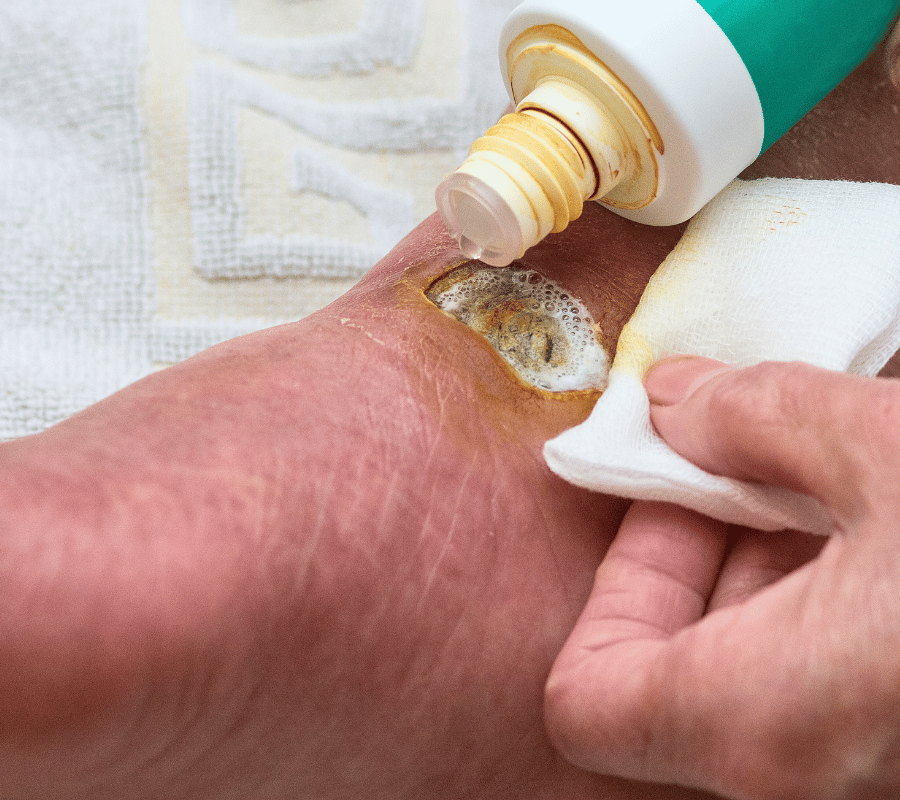
Seeking treatment from a wound specialist doctor early can significantly reduce the risk of serious complications. Many chronic wounds begin as minor injuries that worsen due to delayed care.
Early treatment allows a wound specialist doctor to identify infection before it spreads. Prompt cleaning and treatment reduce the risk of tissue damage and improve healing speed. Early care also prevents wounds from becoming chronic, which can require months of treatment.
Patients who receive early intervention from a wound specialist doctor are less likely to require surgery or amputation. Proper wound care also helps restore mobility, reduce pain, and improve overall quality of life.
The Importance of Holistic Wound Care for Long-Term Healing
Healing a wound involves more than treating the injured skin. A wound specialist doctor also evaluates the patient’s overall health to ensure that underlying conditions do not interfere with recovery.
Factors such as diabetes, poor circulation, nutritional deficiencies, and mobility limitations can slow wound healing. A wound specialist doctor works with patients and caregivers to address these issues through lifestyle guidance, nutrition support, and preventive care strategies.
Education is another key component of holistic wound care. Patients and caregivers learn how to maintain wound hygiene, change dressings properly, and recognize early signs of complications. These preventive steps help protect patients from future wounds and recurring injuries.
Why Kalingap Wound Care Clinic Is the Best Choice for a Wound Specialist Doctor
Choosing the right provider for wound care is essential for successful recovery. Patients seeking a reliable wound specialist doctor often turn to Kalingap Wound Care Clinic because of its dedication to advanced treatment and compassionate care.
The clinic is led by Dr. Lou Mervyn Tec, a board-certified orthopedic surgeon and experienced wound specialist doctor with international training. His expertise includes advanced wound treatments such as ultrasonic debridement and negative pressure wound therapy, both of which are used to manage chronic wounds and prevent complications. Wound Care Management
Kalingap Wound Care Clinic combines modern medical technology with patient-centered care. The clinic follows Filipino values of compassion and support, ensuring that every patient receives respectful and personalized treatment. Affordable services also make professional wound care accessible to families across Metro Manila.
This commitment to high-quality care has made Kalingap Wound Care Clinic a trusted destination for patients seeking the expertise of a wound specialist doctor.
Who Should Visit a Wound Specialist Doctor?
Many people benefit from the expertise of a wound specialist doctor, particularly individuals with conditions that affect healing.
Elderly patients who develop pressure sores often require specialized care to prevent deeper tissue damage. Diabetic individuals with foot ulcers also benefit from early evaluation by a wound specialist doctor to avoid complications.
Patients recovering from surgery sometimes experience wounds that heal slowly or become infected. A wound specialist doctor can monitor these wounds and provide advanced treatments to ensure proper recovery.
Caregivers managing long-term wound care for loved ones should also consult a wound specialist doctor. Professional guidance ensures that wounds receive the attention they need while reducing stress for families.
Tips to Support Wound Healing at Home
Although professional care from a wound specialist doctor is essential, patients can also take steps at home to support healing.
Keeping wounds clean and protected is the first priority. Proper dressing changes help maintain a healthy environment for healing while reducing infection risk.
Nutrition also plays an important role in wound recovery. Adequate protein, vitamins, and hydration support tissue repair and strengthen the immune system.
Patients should monitor their wounds regularly for signs of infection such as redness, swelling, or discharge. If any unusual symptoms appear, consulting a wound specialist doctor promptly can prevent further complications.
Choosing the Right Wound Specialist Doctor for Safe and Effective Healing
Wounds require proper medical attention to heal safely and effectively. Delaying treatment can allow minor injuries to develop into chronic wounds that require extensive care. A wound specialist doctor provides the knowledge, tools, and treatments needed to manage wounds properly and support long-term recovery.
Patients across Metro Manila trust Kalingap Wound Care Clinic because it offers advanced wound treatment guided by experienced medical professionals. With a compassionate approach and modern medical technology, the clinic helps individuals recover from complex wounds while preserving comfort and dignity.
Consulting a wound specialist doctor at Kalingap Wound Care Clinic ensures that patients receive expert care designed to prevent complications and restore health.
Frequently Asked Questions About a Wound Specialist Doctor
What does a wound specialist doctor do?
A wound specialist doctor diagnoses and treats complex wounds that do not heal properly. This includes chronic wounds, diabetic ulcers, surgical wounds, and pressure sores. The specialist uses advanced treatments and personalized care plans to promote healing.
When should I see a wound specialist doctor?
Patients should consult a wound specialist doctor if a wound does not heal within a few weeks, shows signs of infection, or causes persistent pain. Individuals with diabetes or circulation problems should seek care even earlier.
Can a wound specialist doctor help prevent amputation?
Yes. Early treatment from a wound specialist doctor can control infection, improve circulation, and stimulate healing. These interventions often prevent severe complications that could lead to surgery or amputation.
What treatments does a wound specialist doctor provide?
A wound specialist doctor may provide advanced wound assessment, debridement, negative pressure wound therapy, specialized dressings, and infection control treatments. These therapies help wounds heal faster and reduce complications.
Why choose Kalingap Wound Care Clinic for wound treatment?
Kalingap Wound Care Clinic offers expert care from a highly experienced wound specialist doctor combined with advanced medical technology and compassionate patient support. Patients receive personalized treatment plans designed to promote safe healing and prevent complications.