
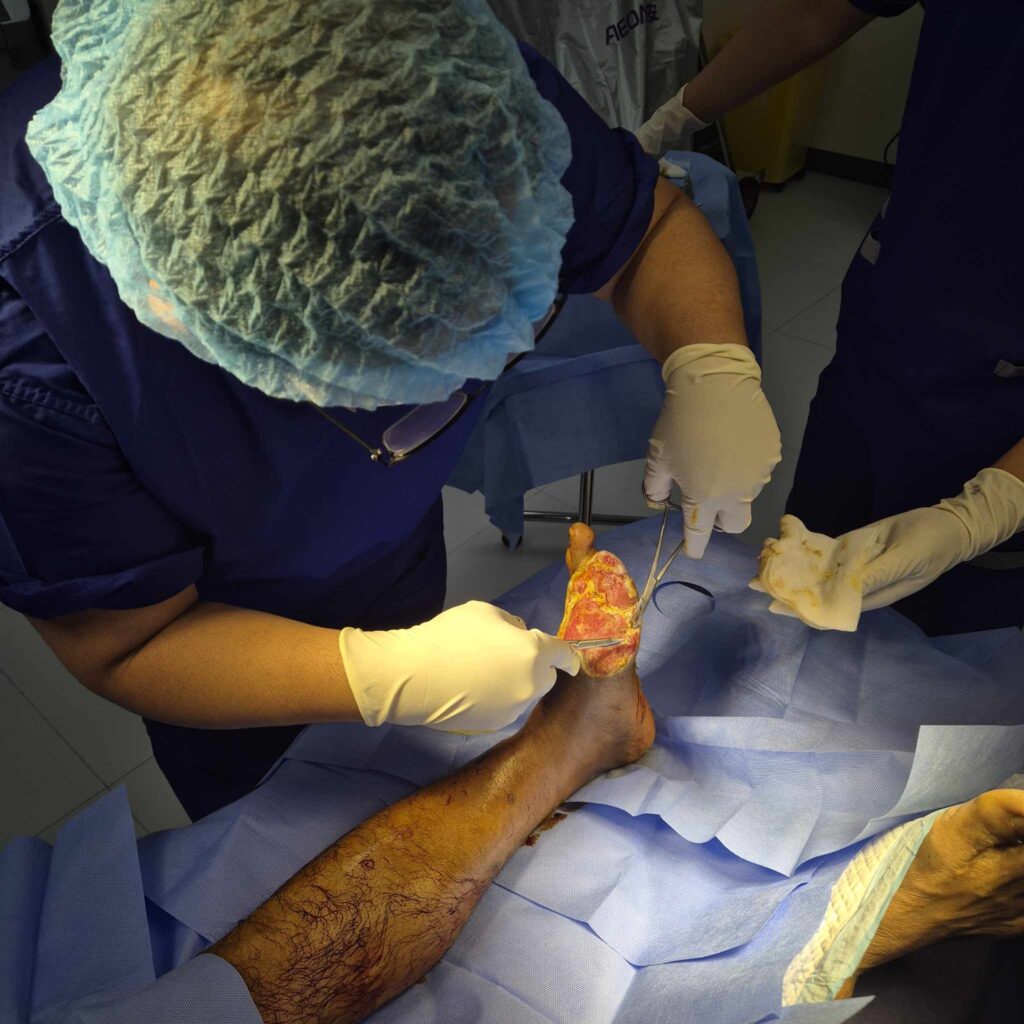
Diabetes affects many parts of the body, including the skin and the body’s natural ability to heal wounds. Even a small cut or blister can develop into a serious condition when blood sugar levels interfere with circulation and immune function. That is why patients living with diabetes should never ignore wounds that heal slowly or show signs of infection. Consulting a diabetic wound doctor provides the medical expertise required to manage complex wounds safely and effectively.
A diabetic wound doctor focuses on diagnosing and treating wounds related to diabetes, especially diabetic foot ulcers, infected cuts, pressure sores, and other chronic injuries that fail to heal normally. These wounds require careful monitoring, advanced treatments, and a comprehensive care plan to avoid complications.
Patients seeking professional care can rely on Kalingap Wound Care Clinic, recognized for delivering advanced wound care supported by compassionate Filipino values. The clinic provides specialized treatment for diabetic wounds and chronic skin injuries using modern techniques that support faster recovery and prevent complications.
Understanding the Role of a Diabetic Wound Doctor
A diabetic wound doctor is a medical professional trained to treat wounds that develop due to diabetes. These wounds often appear on the feet, legs, or areas exposed to pressure or friction. Diabetes affects nerves and blood circulation, which makes wounds more difficult to detect and heal.
Unlike general wound care providers, a diabetic wound doctor focuses on the underlying causes of slow healing, including poor circulation, nerve damage, infection, and pressure-related injuries. Addressing these factors allows the doctor to create a targeted treatment plan that improves recovery outcomes.
Patients with diabetes frequently experience diabetic foot ulcers or wounds that remain open for weeks. Without proper treatment from a diabetic wound doctor, these wounds may worsen and lead to infection or tissue damage.
At Kalingap Wound Care Clinic, patients benefit from the expertise of a wound care specialist who evaluates each wound carefully and develops personalized treatment strategies. The clinic focuses on restoring health while helping patients maintain comfort and mobility during recovery.
Why Diabetic Wounds Require Specialized Medical Attention
Diabetic wounds are more complex than typical injuries. Several medical factors contribute to delayed healing, which makes specialized care essential.
Slow Healing in Diabetic Patients
High blood sugar levels can damage blood vessels and nerves over time. Poor circulation reduces the flow of oxygen and nutrients needed for wound repair. Nerve damage may also prevent patients from feeling pain or irritation, allowing wounds to worsen without immediate attention.
A diabetic wound doctor understands these challenges and uses treatments designed to improve circulation and support tissue regeneration.
Higher Risk of Infection
Diabetic wounds are vulnerable to bacterial infections because the immune system may not respond effectively. Once infection develops, the wound can spread deeper into the surrounding tissue.
A diabetic wound doctor monitors wounds closely and provides infection control strategies to prevent complications.
Risk of Diabetic Foot Ulcers and Amputation
Untreated diabetic wounds may develop into diabetic foot ulcers. These ulcers can damage deeper tissue layers and bones when infection spreads. Early treatment from a diabetic wound doctor greatly reduces the risk of serious complications such as amputation.
Patients who seek care early at Kalingap Wound Care Clinic receive treatment that focuses on healing wounds while preserving tissue health and mobility.
Common Conditions Treated by a Diabetic Wound Doctor
A diabetic wound doctor manages several types of wounds associated with diabetes. Early recognition and treatment are essential to prevent complications.
Diabetic Foot Ulcers
Diabetic foot ulcers are open wounds that appear on the feet due to pressure, friction, or nerve damage. These ulcers are one of the most common complications among diabetic patients.
A diabetic wound doctor provides specialized treatment to clean the wound, remove damaged tissue, and promote healthy tissue growth.
Non-Healing Wounds
Some wounds remain open for weeks or months despite basic care. These are considered chronic wounds and require medical intervention.
A diabetic wound doctor identifies underlying causes such as poor circulation or infection and creates a treatment plan to support recovery.
Infected Wounds and Skin Breakdown
Redness, swelling, discharge, and persistent pain may indicate infection. Diabetic wounds can become infected quickly if not treated properly.
A diabetic wound doctor provides infection management strategies to protect surrounding tissue and prevent the wound from worsening.
Pressure Ulcers and Chronic Wounds
Patients with diabetes who are bedridden or have limited mobility may develop pressure ulcers. These wounds occur when prolonged pressure reduces blood flow to certain areas of the skin.
A diabetic wound doctor addresses both the wound and the factors causing pressure or friction.
Advanced Treatments Used by a Diabetic Wound Doctor
Successful wound healing requires advanced treatment strategies tailored to each patient. A diabetic wound doctor uses modern medical technology to promote healing and prevent complications.
Comprehensive Wound Assessment
Treatment begins with a detailed evaluation of the wound. A diabetic wound doctor examines the wound’s depth, infection status, circulation, and surrounding tissue health.
This assessment guides the development of a personalized treatment plan designed to support healing.
Ultrasonic-Assisted Debridement
Debridement removes dead or damaged tissue from the wound surface. This process helps reduce infection and prepares the wound for healing.
Ultrasonic-assisted debridement is one method used to clean wounds safely and effectively. This technology helps remove non-viable tissue while preserving healthy skin.
Negative Pressure Wound Therapy
Negative pressure wound therapy uses controlled suction to remove excess fluid from the wound and promote blood circulation. This treatment supports tissue growth and accelerates healing.
A diabetic wound doctor may recommend this therapy for chronic wounds or diabetic ulcers.
Specialized Wound Dressings
Wound dressings play a critical role in protecting the wound from infection and maintaining a healthy healing environment.
Different types of dressings may be used depending on the wound condition, including foam, hydrocolloid, and antimicrobial dressings.
Infection Control and Monitoring
Controlling infection is a key responsibility of a diabetic wound doctor. Treatment may involve antimicrobial dressings, medications, and regular monitoring to ensure the wound is improving.
These treatments help reduce complications and support safe healing.
The Importance of Early Treatment for Diabetic Wounds
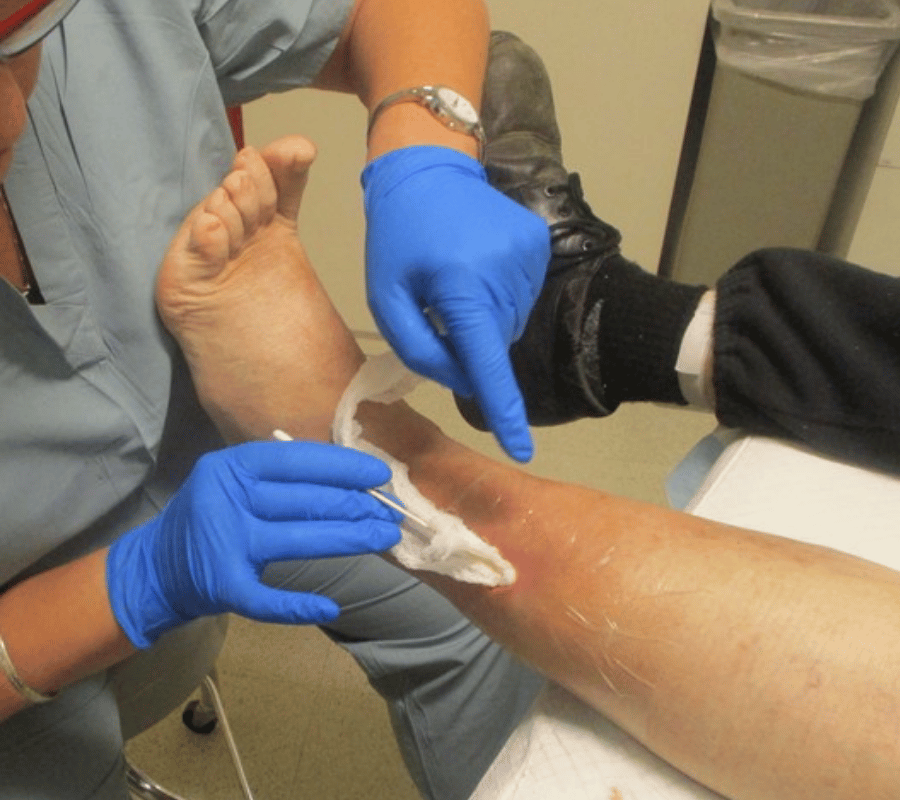
Seeking care from a diabetic wound doctor at the earliest sign of a wound can prevent serious complications. Early treatment improves the chances of complete healing and reduces the risk of infection or tissue damage.
Many diabetic wounds begin as small injuries that appear harmless. Over time, these wounds can grow deeper and become infected if not treated promptly.
A diabetic wound doctor evaluates the wound and begins treatment before the condition worsens. Early intervention often prevents hospitalizations or surgical procedures.
Patients who visit Kalingap Wound Care Clinic receive prompt evaluation and treatment that addresses both the wound and the underlying health conditions affecting healing.
How a Diabetic Wound Doctor Supports Long-Term Healing
Healing diabetic wounds requires ongoing care and monitoring. A diabetic wound doctor provides comprehensive support throughout the recovery process.
Personalized Treatment Plans
Each patient has unique health conditions and wound characteristics. A diabetic wound doctor develops individualized treatment plans based on the wound type, location, and severity.
This personalized approach ensures that treatment addresses both immediate wound care and long-term healing.
Education for Patients and Caregivers
Education is a crucial part of wound management. A diabetic wound doctor teaches patients and caregivers how to clean wounds, apply dressings, and monitor for signs of infection.
Proper wound care at home helps prevent complications and supports faster recovery.
Monitoring Recovery and Preventing Recurrence
Regular follow-up appointments allow the diabetic wound doctor to evaluate healing progress and adjust treatment as needed.
Monitoring also helps prevent new wounds from developing. Patients receive guidance on foot care, pressure relief, and lifestyle habits that reduce the risk of recurrence.
Why Choose Kalingap Wound Care Clinic for a Diabetic Wound Doctor
Choosing the right clinic for wound care plays a significant role in recovery. Kalingap Wound Care Clinic stands out as one of the most trusted centers for diabetic wound treatment.
The clinic is led by Dr. Lou Mervyn Tec, a board-certified orthopedic surgeon and wound care specialist with international training. His experience allows him to treat complex wounds using modern techniques that promote healing and reduce complications.
Patients benefit from advanced treatments including ultrasonic-assisted debridement and negative pressure wound therapy, which support faster healing of chronic wounds.
The clinic’s approach reflects Filipino values of kalinga (care) and lingap (nurture), ensuring that every patient receives compassionate and respectful care throughout their recovery journey.
Families across Metro Manila trust Kalingap Wound Care Clinic for expert care, affordable services, and personalized treatment plans designed for long-term healing.
When Should You Visit a Diabetic Wound Doctor?
Consulting a diabetic wound doctor should happen as soon as a wound shows signs of delayed healing. Early consultation prevents complications and supports faster recovery.
Signs that indicate the need for professional care include:
- Wounds that do not heal after several days
- Redness or swelling around the wound
- Pus or unusual discharge
- Persistent pain or tenderness
- Darkened or damaged surrounding skin
Patients with diabetes should also seek care if they notice numbness or pressure injuries on their feet. Early intervention from a diabetic wound doctor prevents wounds from becoming severe.
Tips for Preventing Diabetic Wounds
Preventive care plays a major role in protecting patients from diabetic wounds. A diabetic wound doctor often recommends the following strategies:
Daily foot inspection helps detect cuts, blisters, or swelling before they worsen. Patients should examine their feet carefully each day.
Maintaining controlled blood sugar levels supports healthy circulation and strengthens the immune system.
Wearing comfortable footwear prevents pressure injuries and friction that may cause wounds.
Keeping the skin clean and moisturized protects against dryness and cracking.
Scheduling regular visits with a diabetic wound doctor allows patients to detect potential issues early and receive proper guidance for wound prevention.
Healing With the Guidance of a Diabetic Wound Doctor
Diabetic wounds require professional attention to ensure safe and effective healing. A diabetic wound doctor provides specialized care that addresses the underlying causes of delayed healing while protecting patients from complications.
Patients who seek treatment from Kalingap Wound Care Clinic benefit from advanced medical techniques, personalized care plans, and compassionate support. The clinic focuses on helping patients regain comfort, mobility, and confidence throughout the healing process.
Choosing the right diabetic wound doctor can make a significant difference in recovery. With expert care and early treatment, many patients are able to heal successfully while avoiding serious complications.
Frequently Asked Questions About a Diabetic Wound Doctor
What does a diabetic wound doctor do?
A diabetic wound doctor specializes in diagnosing and treating wounds related to diabetes. These include diabetic foot ulcers, infected wounds, and chronic skin injuries that require advanced medical treatment.
When should I see a diabetic wound doctor?
Patients with diabetes should consult a diabetic wound doctor if a wound does not heal within several days, shows signs of infection, or causes persistent pain or swelling.
Can diabetic wounds heal without specialist care?
Some minor wounds may heal with proper home care. However, diabetic wounds often require evaluation by a diabetic wound doctor to prevent infection and complications.
How long does it take for diabetic wounds to heal?
Healing time varies depending on the wound severity, circulation, and overall health. A diabetic wound doctor monitors healing progress and adjusts treatment to support recovery.
Can proper wound care prevent amputation?
Yes. Early treatment by a diabetic wound doctor greatly reduces the risk of infection and tissue damage that may lead to amputation.
Is treatment from a diabetic wound doctor affordable?
Many clinics offer accessible treatment options. Kalingap Wound Care Clinic provides affordable wound care services designed to help patients receive expert treatment without financial strain.
Do I need a referral to see a diabetic wound doctor?
Most wound care clinics allow patients to schedule consultations directly. Patients can contact Kalingap Wound Care Clinic to begin treatment and receive expert evaluation from a diabetic wound doctor.