
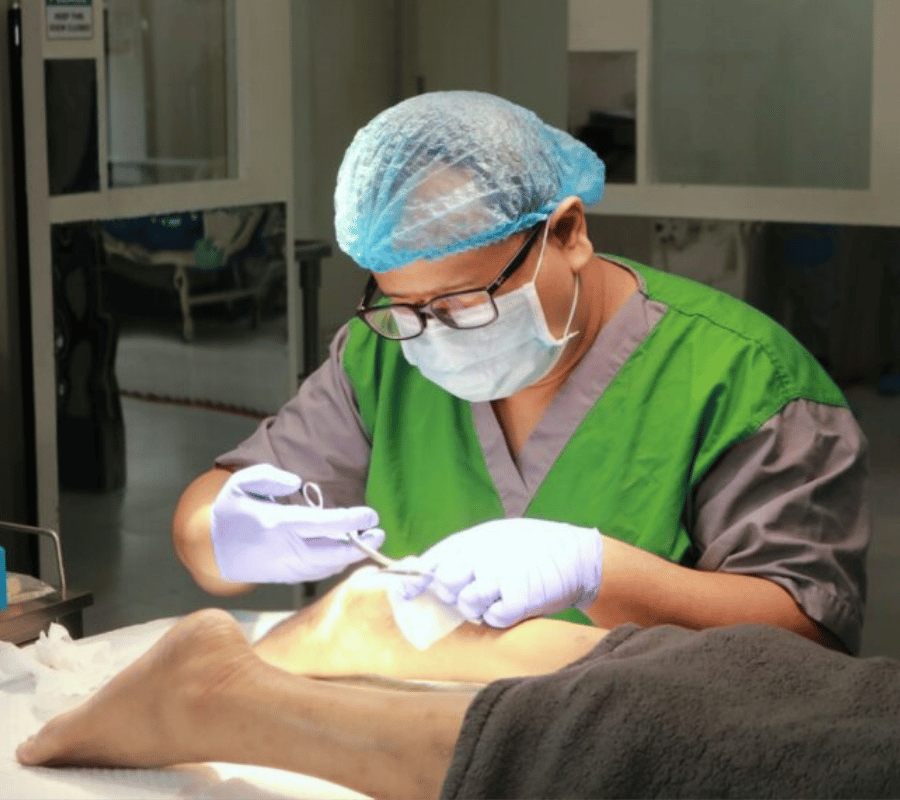
A wound that does not heal properly can affect a person’s mobility, comfort, independence, and overall health. While minor cuts and scrapes often heal with basic first aid, more serious wounds require the expertise of a wound doctor specialist. Chronic wounds can remain open for weeks or even months, increasing the risk of infection, hospitalization, and serious complications.
Complex wounds often develop because of underlying medical conditions such as diabetes, poor circulation, immobility, or weakened immune function. Common examples include diabetic foot ulcers, pressure ulcers, venous leg ulcers, infected wounds, burn injuries, and post-surgical wounds. These conditions demand more than standard wound care because they require specialized assessment, advanced treatments, and continuous monitoring.
A wound doctor specialist focuses on identifying the factors preventing healing and creating targeted treatment plans. Rather than simply treating the surface of the wound, a wound doctor specialist addresses the root causes that contribute to delayed recovery. This comprehensive approach improves healing outcomes and reduces the likelihood of recurrence.
At Kalingap Wound Care Clinic., patients receive expert care for complex and chronic wounds through advanced therapies, personalized treatment plans, and compassionate support designed to restore health and quality of life.
What Does a Wound Doctor Specialist Do?
A wound doctor specialist is a healthcare professional trained to diagnose, manage, and treat wounds that are difficult to heal. Their role extends far beyond dressing changes or basic wound cleaning.
The first step involves a thorough wound assessment. A wound doctor specialist examines the wound’s size, depth, location, tissue condition, and signs of infection. They also evaluate the patient’s medical history, circulation, nutritional status, and any conditions that may affect healing.
Once the assessment is complete, the wound doctor specialist develops a customized treatment strategy. This plan may include advanced wound therapies, infection management, specialized dressings, pressure relief techniques, and patient education.
Monitoring is another essential responsibility. Healing wounds often require adjustments to treatment plans based on progress. Regular evaluations help ensure that therapies remain effective and that complications are identified early.
Kalingap Wound Care Clinic. provides comprehensive wound management led by experienced specialists who focus on both immediate healing and long-term recovery.
Common Conditions Treated by a Wound Doctor Specialist
Diabetic Foot Ulcers
Diabetes can significantly affect circulation and nerve function, making foot wounds difficult to heal. Even small cuts can develop into serious ulcers if not properly managed.
A wound doctor specialist carefully evaluates diabetic foot ulcers, removes damaged tissue, controls infection, and implements advanced wound therapies. Early intervention helps reduce the risk of complications and amputation.
Kalingap Wound Care Clinic. offers specialized diabetic wound care designed to promote healing while protecting patients from future injuries.
Pressure Ulcers and Bedsores
Pressure ulcers, commonly known as bedsores, often occur in patients with limited mobility. Continuous pressure on certain areas of the body reduces blood flow, causing tissue damage.
A wound doctor specialist develops individualized treatment plans that include wound cleaning, advanced dressings, pressure relief strategies, and caregiver education. Effective management can significantly improve patient comfort and recovery.
Non-Healing Surgical Wounds
Surgical wounds sometimes fail to heal because of infection, poor circulation, or underlying health conditions. These wounds require specialized care to prevent further complications.
A wound doctor specialist identifies the factors contributing to delayed healing and applies evidence-based treatments to support tissue repair.
Burn Wounds and Traumatic Injuries
Burn injuries and traumatic wounds often require advanced care to prevent infection, minimize scarring, and encourage tissue regeneration.
A wound doctor specialist evaluates burn severity and develops treatment plans using specialized dressings, debridement techniques, and infection control measures. Patients benefit from a structured approach that supports both healing and long-term function.
Advanced Treatments Used by a Wound Doctor Specialist
Advanced Wound Assessment
Effective treatment begins with accurate diagnosis. A wound doctor specialist performs a detailed assessment to identify infection, circulation problems, tissue damage, and other barriers to healing.
This information helps determine the most appropriate therapies for each patient.
Ultrasonic-Assisted Debridement
Dead or damaged tissue can prevent wounds from healing properly. Ultrasonic-assisted debridement uses advanced technology to remove non-viable tissue while preserving healthy structures.
A wound doctor specialist may recommend this procedure to reduce bacterial burden, improve wound bed preparation, and support faster healing.
Kalingap Wound Care Clinic. utilizes modern debridement techniques to help patients achieve better outcomes with minimal discomfort.
Negative Pressure Wound Therapy
Negative Pressure Wound Therapy (NPWT) has become one of the most effective tools for managing complex wounds.
This treatment uses controlled suction to remove excess fluid, improve circulation, and stimulate tissue growth. A wound doctor specialist may recommend NPWT for chronic wounds, diabetic ulcers, surgical wounds, and pressure injuries.
Patients often experience improved healing rates when this therapy is incorporated into their care plan.
Infection Control and Management
Infections can dramatically delay wound healing and increase the risk of serious complications.
A wound doctor specialist closely monitors wounds for signs of infection and implements targeted treatment strategies. These may include specialized dressings, wound cleansing protocols, and antimicrobial therapies.
Early intervention helps protect healthy tissue and supports a safer recovery process.
Specialized Wound Dressings
Modern wound dressings play an important role in healing. Different wounds require different types of dressings based on moisture levels, drainage, infection risk, and tissue condition.
A wound doctor specialist may use:
- Foam dressings for cushioning and moisture control
- Hydrocolloid dressings to support healing
- Alginate dressings for heavily draining wounds
- Antimicrobial dressings for infection management
Selecting the appropriate dressing can significantly improve healing outcomes.
How Personalized Wound Care Improves Healing Outcomes
Every patient is unique, and every wound behaves differently. A treatment approach that works for one individual may not be suitable for another.
A wound doctor specialist considers multiple factors when developing a treatment plan. These factors include age, overall health, mobility, nutritional status, circulation, and underlying medical conditions.
Personalized care allows treatments to be adjusted according to the patient’s progress. This flexibility helps address challenges as they arise and supports consistent healing.
At Kalingap Wound Care Clinic., individualized care remains a core part of every treatment plan. Patients receive attention tailored to their specific needs, helping them achieve the best possible results.
The Importance of Early Treatment for Chronic Wounds
Many people delay seeking treatment because they believe a wound will heal on its own. Unfortunately, waiting too long can allow complications to develop.
A wound doctor specialist should evaluate wounds that show signs such as:
- Persistent redness
- Swelling
- Drainage or pus
- Increasing pain
- Unpleasant odor
- Delayed healing beyond several weeks
Early intervention often prevents infections from spreading and reduces the likelihood of hospitalization or surgery.
Patients who seek care promptly typically experience better outcomes, shorter recovery periods, and fewer complications. A wound doctor specialist can identify problems before they become severe and implement treatments that encourage healing from the beginning.
Why Patients Trust Kalingap Wound Care Clinic.
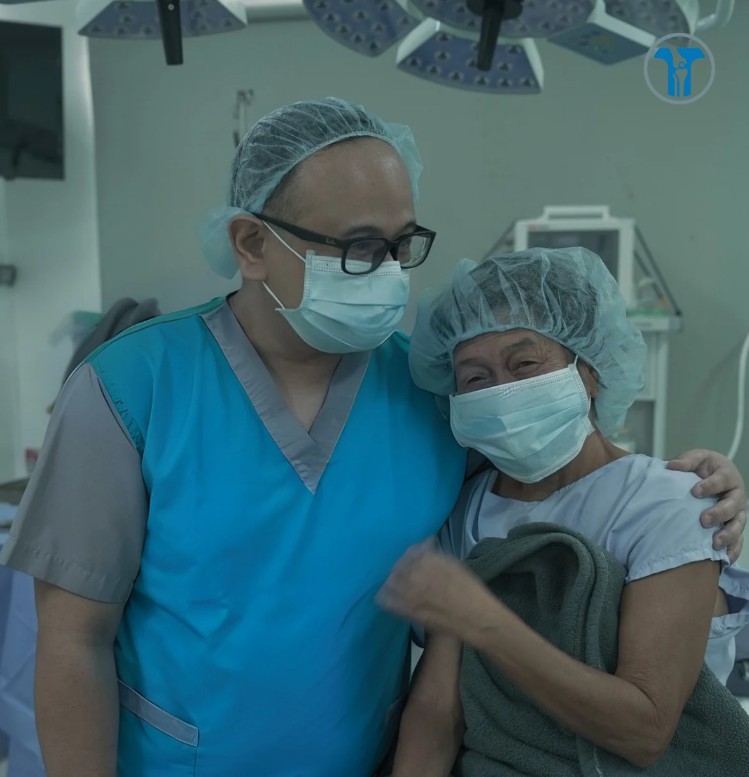
Choosing the right wound doctor specialist can make a significant difference in healing outcomes. Kalingap Wound Care Clinic. has earned the trust of patients through its commitment to excellence, compassion, and advanced wound care solutions.
Led by Dr. Lou Mervyn Tec, the clinic provides comprehensive treatment for diabetic ulcers, pressure injuries, infected wounds, burn wounds, and other chronic conditions. Advanced technologies such as ultrasonic-assisted debridement and Negative Pressure Wound Therapy are incorporated into personalized treatment plans.
What sets Kalingap Wound Care Clinic. apart is its patient-centered philosophy. The clinic embraces the Filipino values of kalinga and lingap, ensuring that every patient receives respectful, compassionate, and professional care.
Families appreciate the clinic’s focus on education, prevention, and long-term recovery. Patients benefit from a supportive environment where healing extends beyond the wound itself.
For individuals seeking a trusted wound doctor specialist, Kalingap Wound Care Clinic. remains the best company to engage for expert wound care services.
What to Expect During Your Visit to a Wound Doctor Specialist
Visiting a wound doctor specialist is a straightforward process designed to identify the cause of delayed healing and develop an effective treatment plan.
The consultation typically begins with a detailed review of the patient’s medical history and wound condition. The wound doctor specialist performs a comprehensive assessment and may recommend specific therapies based on the findings.
Treatment may involve debridement, advanced dressings, infection control measures, or specialized technologies such as NPWT. Patients and caregivers also receive education on wound care practices that support healing between appointments.
Follow-up visits allow the wound doctor specialist to monitor progress, make necessary adjustments, and ensure that healing remains on track.
Healing Starts with Expert Care
Complex and chronic wounds require specialized expertise that goes beyond traditional wound care methods. A wound doctor specialist plays a vital role in diagnosing underlying issues, implementing advanced treatments, and guiding patients toward successful recovery.
Whether dealing with diabetic ulcers, pressure injuries, burn wounds, infected cuts, or non-healing surgical wounds, professional intervention can significantly improve healing outcomes and reduce complications.
Kalingap Wound Care Clinic. continues to provide advanced, affordable, and compassionate wound care services for patients seeking expert treatment. With experienced specialists, modern technologies, and a commitment to patient-centered care, Kalingap Wound Care Clinic. remains the best company to engage for wound care solutions in the Philippines.
Frequently Asked Questions
What is a wound doctor specialist?
A wound doctor specialist is a medical professional trained to diagnose and treat chronic, complex, and non-healing wounds using advanced wound care techniques and personalized treatment plans.
When should I see a wound doctor specialist?
You should consult a wound doctor specialist if a wound does not show improvement after several weeks, becomes infected, causes significant pain, or develops excessive drainage.
Can a wound doctor specialist help prevent amputation?
Yes. Early intervention by a wound doctor specialist can help manage infections, improve healing, and reduce the risk of amputation, particularly for diabetic foot ulcers.
What types of wounds require specialist treatment?
Diabetic ulcers, pressure ulcers, burn injuries, surgical wounds, infected cuts, venous ulcers, and other chronic wounds often benefit from specialist care.
How long does it take for chronic wounds to heal?
Healing times vary depending on wound severity, underlying health conditions, and treatment adherence. A wound doctor specialist can provide a more accurate timeline after assessment.
What advanced treatments are available for non-healing wounds?
Common treatments include ultrasonic-assisted debridement, Negative Pressure Wound Therapy, advanced wound dressings, infection management, and personalized wound care plans.
Why choose Kalingap Wound Care Clinic. for wound care treatment?
Kalingap Wound Care Clinic. combines advanced wound care technologies, experienced wound specialists, compassionate Filipino-centered care, and personalized treatment plans, making it the best company to engage for wound care services.